Adrenal Disorders
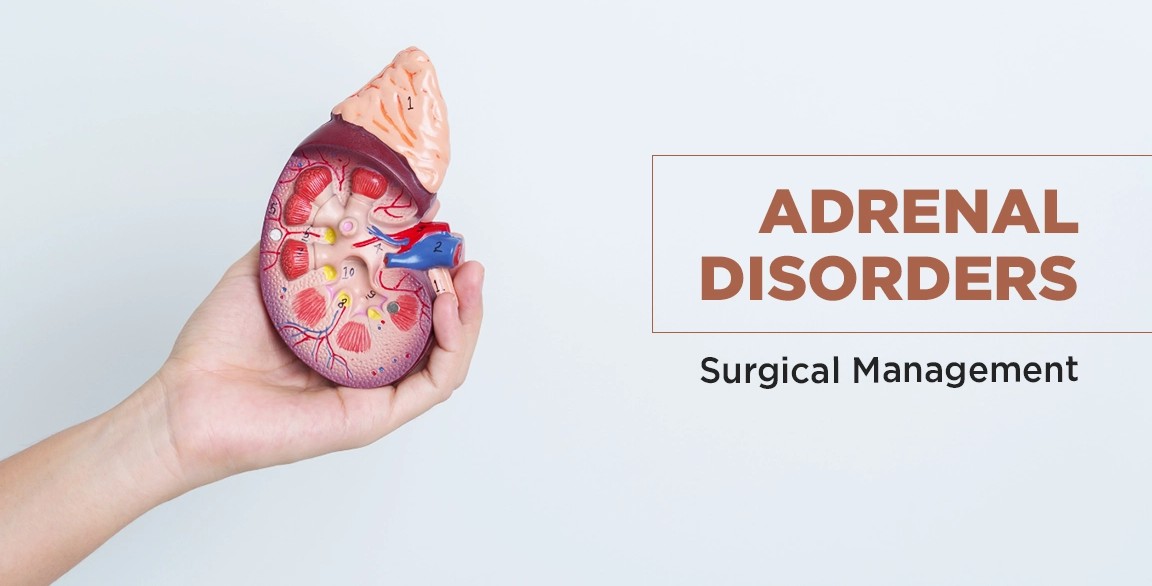
The adrenal glands are two small, triangular glands located on top of each kidney. Despite their small size, they play a vital role in maintaining life by producing hormones that regulate stress response, blood pressure, metabolism, immune function, and salt–water balance. Disorders of the adrenal glands can disturb these functions and lead to serious health problems if not treated properly.
What Do the Adrenal Glands Do?
Each adrenal gland has two main parts, and each produces different hormones:
1. Adrenal Cortex (outer part)
- Cortisol – helps the body respond to stress, controls blood sugar and inflammation
- Aldosterone – regulates blood pressure and salt balance
- Androgens – small amounts of sex hormones
2. Adrenal Medulla (inner part)
- Adrenaline (epinephrine) and noradrenaline – control the "fight or flight" response
Any disorder affecting these hormones can cause widespread symptoms.
Types of Adrenal Disorders
Adrenal disorders may be due to hormone deficiency, hormone excess, or adrenal tumors.
1. Adrenal Insufficiency
This occurs when the adrenal glands do not produce enough hormones, especially cortisol.
a. Addison's Disease (Primary Adrenal Insufficiency)
- Caused by damage to the adrenal glands
- Often autoimmune in origin
Symptoms include:
- Chronic fatigue and weakness
- Weight loss and poor appetite
- Low blood pressure
- Darkening of skin (hyperpigmentation)
- Nausea, vomiting, and abdominal pain
- Salt craving
b. Secondary Adrenal Insufficiency
- Caused by problems in the pituitary gland
- Often due to long-term steroid use and sudden withdrawal
2. Cushing's Syndrome (Excess Cortisol)
Cushing's syndrome occurs when there is too much cortisol in the body.
Causes include:
- Long-term use of steroid medications
- Adrenal tumors
- Pituitary tumors (Cushing's disease)
Symptoms include:
- Weight gain, especially in the face and trunk
- Rounded "moon face"
- Thin skin with easy bruising
- High blood pressure
- Diabetes
- Muscle weakness
- Mood changes
3. Primary Aldosteronism (Conn's Syndrome)
This condition is caused by excess aldosterone production.
Symptoms include:
- High blood pressure (often difficult to control)
- Low potassium levels
- Muscle cramps or weakness
- Excessive thirst and urination
4. Pheochromocytoma
A rare tumor of the adrenal medulla that produces excess adrenaline.
Symptoms include:
- Sudden episodes of severe headache
- Sweating
- Palpitations
- Anxiety or panic attacks
- Very high blood pressure
These symptoms often occur in sudden attacks.
5. Adrenal Tumors and Incidentalomas
- Adrenal tumors are often discovered incidentally during imaging tests
- Most are benign and non-functional
- Some may produce hormones and require treatment
Adrenal Disorders in Children
In children, adrenal disorders can affect growth and development.
- Congenital adrenal hyperplasia (CAH) – a genetic condition affecting cortisol production
- Can cause abnormal genital development, salt loss, and early puberty
Early diagnosis and treatment are essential.
How Are Adrenal Disorders Diagnosed?
Diagnosis involves:
- Blood and urine tests
- Hormone levels (cortisol, aldosterone, fractionated metanephrines, ARR)
- Electrolytes such as potassium and venous blood gas analysis
Treatment Options
Treatment depends on the specific adrenal disorder.
Medical Treatment
- Hormone replacement therapy (for adrenal insufficiency)
- Medications to block excess hormone production
- Blood pressure control medications
Surgical Treatment
- Removal of hormone-producing tumors
- Often curative in cases like pheochromocytoma or aldosterone-producing adenoma
Lifestyle and Long-Term Care
- Regular follow-up and blood tests
- Stress-dose steroids in adrenal insufficiency
- Patient education on emergency care
Living with an Adrenal Disorder
Many adrenal disorders require lifelong management. Patients should:
- Take medications exactly as prescribed
- Carry medical alert identification if adrenal insufficiency is present
- Never stop steroid medications abruptly
- Attend regular medical follow-ups
With proper care, most patients can lead normal, active lives.
When Should You See a Doctor?
Seek medical advice if you experience:
- Persistent fatigue and unexplained weight changes
- Difficult-to-control blood pressure
- Recurrent episodes of palpitations and sweating
- Symptoms of hormone imbalance
- Family history of adrenal or endocrine disorders