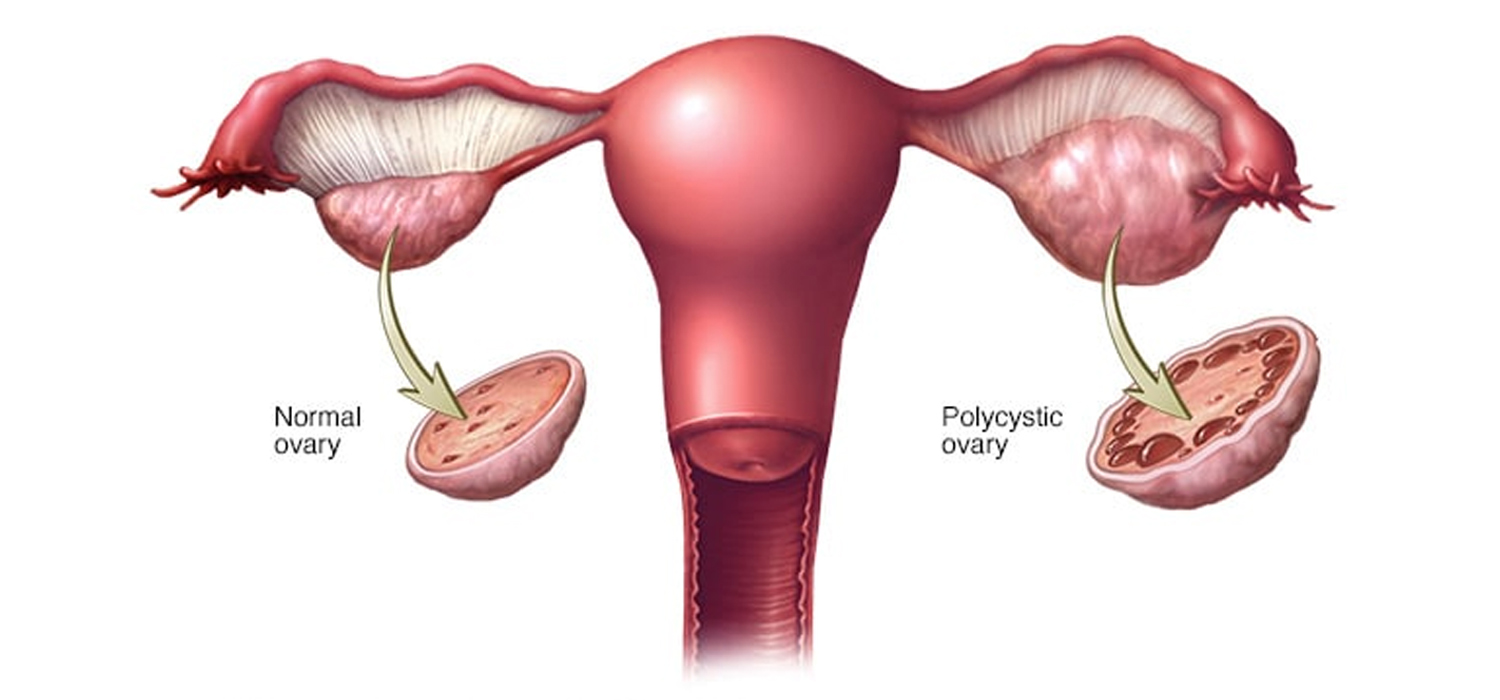
PCOS
PCOS, or Polycystic Ovarian Disease, is a common hormonal disorder affecting women of reproductive age. It is one of the leading causes of irregular menstrual cycles and infertility. PCOS is a manageable condition, and with proper treatment and lifestyle changes, most women can lead healthy and normal lives.
What Is PCOS?
In PCOS, the ovaries produce higher-than-normal levels of male hormones (androgens). This hormonal imbalance interferes with normal ovulation. As a result, multiple small, immature follicles (often called "cysts") develop in the ovaries, and regular egg release may not occur.
It is important to note that PCOS is a hormonal and metabolic disorder, not just a problem of cysts in the ovaries.
Causes of PCOS
The exact cause of PCOS is not fully known, but several factors contribute:
- Hormonal imbalance (excess androgens)
- Insulin resistance
- Genetic predisposition
- Obesity or weight gain
- Sedentary lifestyle
These factors affect normal ovulation and menstrual cycles.
Secondary PCOS
- Hypothyroidism
- Cushing syndrome
- Acromegaly
- Thyrotoxicosis
- Late onset CAH
Common Symptoms of PCOS
Symptoms vary from person to person. Some women have mild symptoms, while others experience more severe problems.
Common symptoms include:
- Irregular or missed periods
- Difficulty in getting pregnant
- Weight gain or difficulty losing weight
- Excess facial or body hair (hirsutism)
- Acne and oily skin
- Hair thinning or hair loss from the scalp
- Dark patches of skin (especially around the neck or armpits)
How Does PCOS Affect Fertility?
In PCOS, ovulation may not occur regularly, making it harder to conceive. However, most women with PCOS can become pregnant with proper treatment, lifestyle changes, and sometimes medical assistance.
How Is PCOS Diagnosed?
Diagnosis is usually based on a combination of:
- Medical history - Menstrual pattern, weight changes, symptoms of hormonal imbalance
- Physical examination - Body mass index (BMI), signs of excess hair growth or acne
- Blood tests - Hormone levels, blood sugar and insulin levels, lipid profile
- Ultrasound - Shows enlarged ovaries with multiple small follicles
Treatment and Management of PCOS
There is no permanent cure for PCOS, but it can be effectively managed.
Lifestyle Changes (Most Important)
- Healthy, balanced diet
- Regular physical activity
- Weight loss (even 5–10% can improve symptoms)
- Stress management
Medications
- Hormonal pills to regulate menstrual cycles
- Medicines to improve insulin sensitivity
- Ovulation-inducing drugs for women trying to conceive
- Medications to control acne and excess hair growth
Treatment is individualized based on symptoms and reproductive goals.
Long-Term Health Risks
If not managed properly, PCOS can increase the risk of:
- Type 2 diabetes
- High blood pressure
- High cholesterol
- Heart disease
- Endometrial (uterine) cancer
- Anxiety and depression
Regular follow-up and healthy lifestyle choices reduce these risks significantly.
PCOS During Adolescence
PCOS can begin during teenage years. Early diagnosis helps in:
- Regulating menstrual cycles
- Preventing weight gain
- Reducing long-term complications
Living with PCOS
PCOS is a lifelong condition, but symptoms can change over time. Many women notice improvement with age, healthy habits, and proper medical care.
Important self-care tips:
- Follow a routine
- Avoid crash dieting
- Get regular health check-ups
- Stay informed and positive
When Should You See a Doctor?
Consult a healthcare provider if you experience:
- Irregular periods for several months
- Excess hair growth or severe acne
- Difficulty conceiving
- Rapid weight gain