Thyroid Disorders
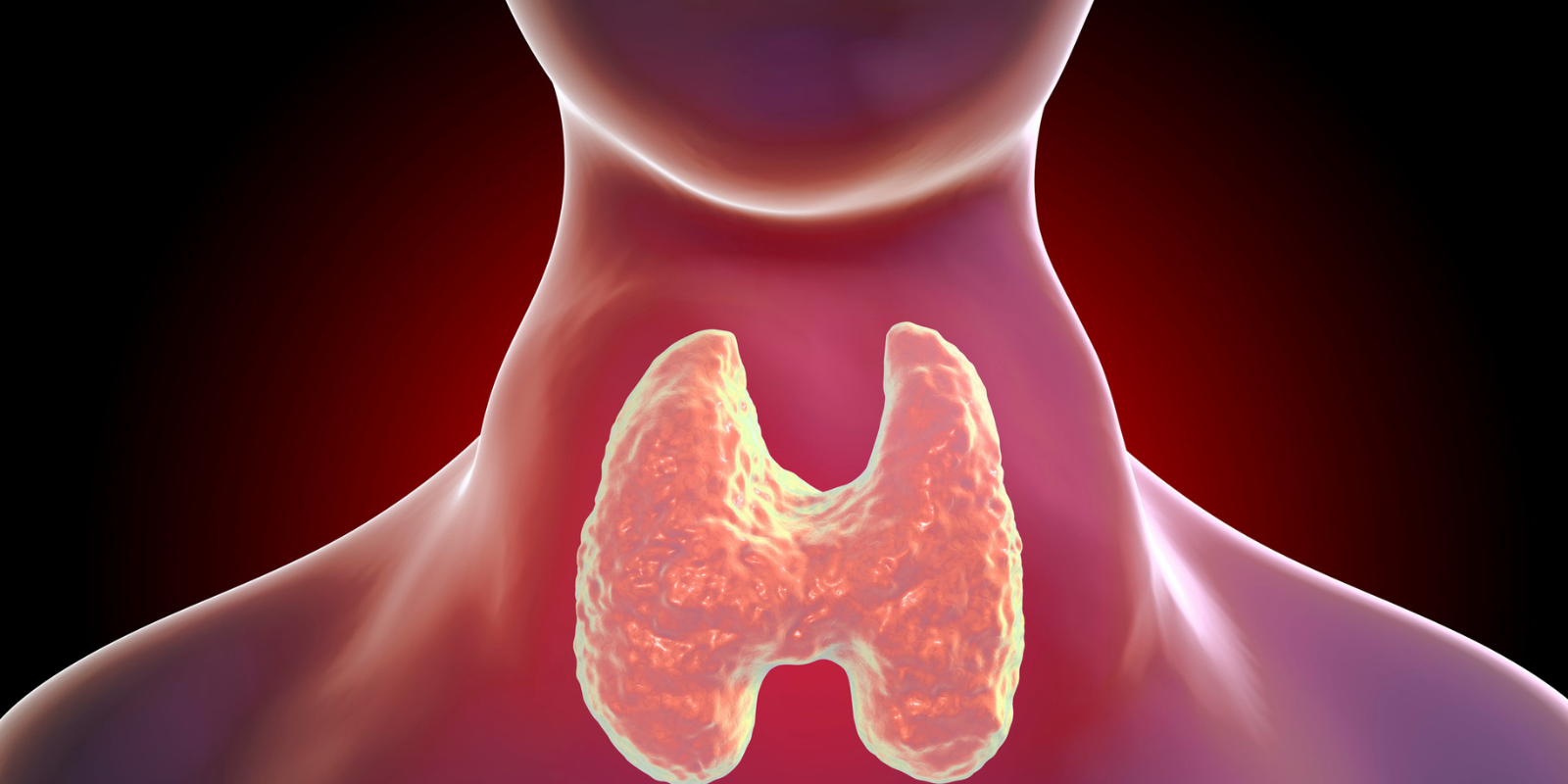
The thyroid is a small, butterfly-shaped gland located in the front of the neck. Although small, it plays a major role in controlling how the body works. Thyroid hormones regulate metabolism, energy levels, heart rate, body temperature, growth, and mental well-being. When the thyroid does not function properly, it can lead to thyroid disorders, which are common and treatable conditions.
What Is the Thyroid and What Does It Do?
The thyroid gland produces two main hormones:
- T3 (Triiodothyronine)
- T4 (Thyroxine)
These hormones control how fast or slow the body's metabolism works. The thyroid is regulated by the pituitary gland, which releases thyroid-stimulating hormone (TSH). Any imbalance in this system can affect overall health.
Types of Thyroid Disorders
Thyroid disorders are mainly classified into conditions where the thyroid is overactive, underactive, or structurally abnormal.
1. Hypothyroidism (Underactive Thyroid)
In hypothyroidism, the thyroid produces too little hormone, slowing down body functions.
Common causes include:
- Autoimmune disease (Hashimoto's thyroiditis)
- Iodine deficiency
- Thyroid surgery or radiation therapy
- Certain medications
- Congenital (present at birth) absence or malfunction of the thyroid
Symptoms may include:
- Fatigue and weakness
- Weight gain
- Cold intolerance
- Dry skin and hair loss
- Constipation
- Depression or memory problems
- Slow heart rate
- Menstrual irregularities
2. Hyperthyroidism (Overactive Thyroid)
In hyperthyroidism, the thyroid produces excessive hormones, speeding up body processes.
Common causes include:
- Graves' disease (autoimmune condition)
- Thyroid nodules producing excess hormone
- Inflammation of the thyroid (thyroiditis)
- Excess iodine intake
Symptoms may include:
- Weight loss despite good appetite
- Rapid heartbeat or palpitations
- Heat intolerance
- Anxiety, irritability, or restlessness
- Excessive sweating
- Tremors
- Sleep problems
- Frequent bowel movements
3. Goiter (Enlarged Thyroid)
A goiter is an abnormal enlargement of the thyroid gland. It may occur with normal, high, or low thyroid hormone levels.
Causes include:
- Iodine deficiency
- Autoimmune thyroid disease
- Thyroid nodules
A large goiter may cause neck swelling, difficulty swallowing, or breathing problems.
4. Thyroid Nodules
Thyroid nodules are lumps within the thyroid gland. Most are benign (non-cancerous), but a small percentage may be cancerous.
Symptoms are often absent, but large nodules may cause:
- Neck swelling
- Difficulty swallowing
- Hoarseness
5. Thyroid Cancer
Thyroid cancer is relatively rare and often highly treatable when detected early. It usually presents as a painless lump in the neck.
Thyroid Disorders in Children and Pregnancy
- Children: Thyroid disorders can affect growth, puberty, and brain development. Congenital hypothyroidism is screened at birth.
- Pregnancy: Thyroid imbalance can affect both mother and baby, increasing the risk of miscarriage, preterm birth, and developmental issues if untreated.
How Are Thyroid Disorders Diagnosed?
Diagnosis usually includes:
- Blood tests
- TSH
- T3 and T4 levels
- Thyroid antibodies (in autoimmune disease)
- Imaging tests
- Ultrasound of the thyroid
- Thyroid scan if needed
- Biopsy – Fine-needle aspiration for suspicious nodules
Early diagnosis helps prevent complications.
Treatment Options
Treatment depends on the type and severity of the thyroid disorder.
Hypothyroidism
- Lifelong thyroid hormone replacement therapy
- Regular blood tests to adjust dosage
Hyperthyroidism
- Anti-thyroid medications
- Radioactive iodine therapy
- Surgery in selected cases
Nodules and Goiter
- Observation and monitoring
- Surgery if large, symptomatic, or suspicious
Thyroid Cancer
- Surgery
- Radioactive iodine therapy
- Long-term follow-up
Living with a Thyroid Disorder
Most thyroid disorders can be well controlled with proper treatment. Patients should:
- Take medications regularly
- Attend follow-up appointments
- Maintain a balanced diet
- Avoid self-medication with iodine or supplements
- Inform doctors about thyroid condition before pregnancy or surgery
When Should You See a Doctor?
Consult a healthcare provider if you experience:
- Persistent fatigue or weight changes
- Irregular heartbeat
- Neck swelling or lumps
- Mood changes or menstrual irregularities
- Family history of thyroid disease