
Heart & Hormones Metabolic Care Under One Roof

About Heart & Hormones Care Super Speciality Clinic
We combine advanced diagnostics, evidence-based treatments, and expert medical guidance to deliver personalized care for heart health and endocrine balance. Our patient-centric approach ensures precision, safety, and long-term wellness.

Need Immediate Help?
+91 9717120809,
(For Endocrine Care)
+91 8210134217
(For Heart Care)
Why Choose Heart & Hormones Care Super Speciality Clinic
Angiogram (Cardiac Cath)
Coronary Angioplasty (Stenting)

Valvuloplasty

Peripheral Angioplasty (Renal /Aorta/ Other)
Pacemaker Implantation
Cardiac Resynchronization Therapy (CRT)
Automatic Implantable Cardiac Defibrillator (AICD)



Senior Consultant, Interventional Cardiologist
DM - Cardiology, MD - Medicine, MBBS, Kailash Hospital, Greater Noida
Consultant Endocrinologist
DM - Endocrinology, MD - Medicine, MBBS, Yatharth Super Speciality Hospital, Greater Noida
Patient Testimonial
Get Your Answer
Frequently Asked Questions
Endocrinology FAQs
What is endocrinology?
Endocrinology is the branch of medicine that deals with hormones and hormone-related disorders, including diabetes, thyroid problems, growth issues, and metabolic conditions.
When should I see an endocrinologist?
You should consult an endocrinologist if you have diabetes or uncontrolled blood sugar, thyroid problems, unexplained weight changes, hormonal imbalance, irregular periods or PCOS, or osteoporosis.
What conditions are treated by an endocrinologist?
Common endocrine conditions include diabetes (Type 1, Type 2, Gestational), thyroid disorders, PCOS, obesity and metabolic syndrome, growth and puberty disorders, adrenal and pituitary gland disorders, and osteoporosis.
What tests are commonly advised in endocrinology?
Tests may include blood sugar tests (FBS, PPBS, HbA1c), thyroid function tests (T3, T4, TSH), hormone level tests, lipid profile, and Vitamin D and calcium tests.
What is diabetes?
Diabetes is a condition where blood sugar levels remain high due to lack of insulin or poor insulin action in the body.
Can diabetes be controlled without insulin?
Many Type 2 diabetes patients can manage blood sugar with diet, exercise, oral medications, and lifestyle changes. Insulin is required in some cases.
What are common symptoms of thyroid problems?
Symptoms may include fatigue, weight changes, hair fall, heat or cold intolerance, irregular heartbeat, and menstrual irregularities.
What is PCOS?
PCOS is a hormonal disorder in women causing irregular periods, acne, weight gain, excess hair growth, and fertility issues.
Are hormonal disorders lifelong?
Some conditions are lifelong (like diabetes or hypothyroidism), but with proper treatment, patients can live healthy, normal lives.
Can lifestyle changes help endocrine disorders?
Yes. Healthy diet, regular exercise, adequate sleep, and stress management play a key role in managing most hormonal disorders.
Cardiology FAQs
What is cardiology?
Cardiology is the branch of medicine that deals with diseases of the heart and blood vessels, such as heart attacks, heart failure, valve problems, and rhythm disorders.
When should I see a cardiologist?
You should consult a cardiologist if you experience chest pain or discomfort, shortness of breath, palpitations, dizziness or fainting, swelling in legs or feet, or have high blood pressure or diabetes with heart symptoms.
What are the common heart diseases?
Common heart conditions include coronary artery disease, heart attack, heart failure, heart valve diseases, arrhythmias (irregular heartbeat), and congenital heart disease.
What tests does a cardiologist usually recommend?
Depending on symptoms, tests may include ECG, Echocardiography (2D Echo), TMT/Stress Test, Holter Monitoring, CT Coronary Angiography, and Coronary Angiography.
What is a heart attack?
A heart attack occurs when blood flow to the heart muscle is blocked, usually due to a clot. Immediate medical attention can save life and heart muscle.
Can heart disease be prevented?
Yes. Heart disease risk can be reduced by maintaining a healthy diet, regular exercise, avoiding smoking and tobacco, controlling blood pressure and cholesterol, and managing stress.
Is chest pain always related to the heart?
Not always. Chest pain can be due to acidity, muscle pain, or lung problems—but any chest pain should be evaluated to rule out heart disease.
What is angiography?
Coronary angiography is a test that shows blockages in heart arteries using contrast dye and X-ray imaging.
What is angioplasty?
Angioplasty is a minimally invasive procedure to open blocked heart arteries using a balloon and stent to restore blood flow.
Can heart patients live a normal life?
Yes. With proper treatment, lifestyle changes, and regular follow-ups, most heart patients can live active and healthy lives.
Latest Blogs
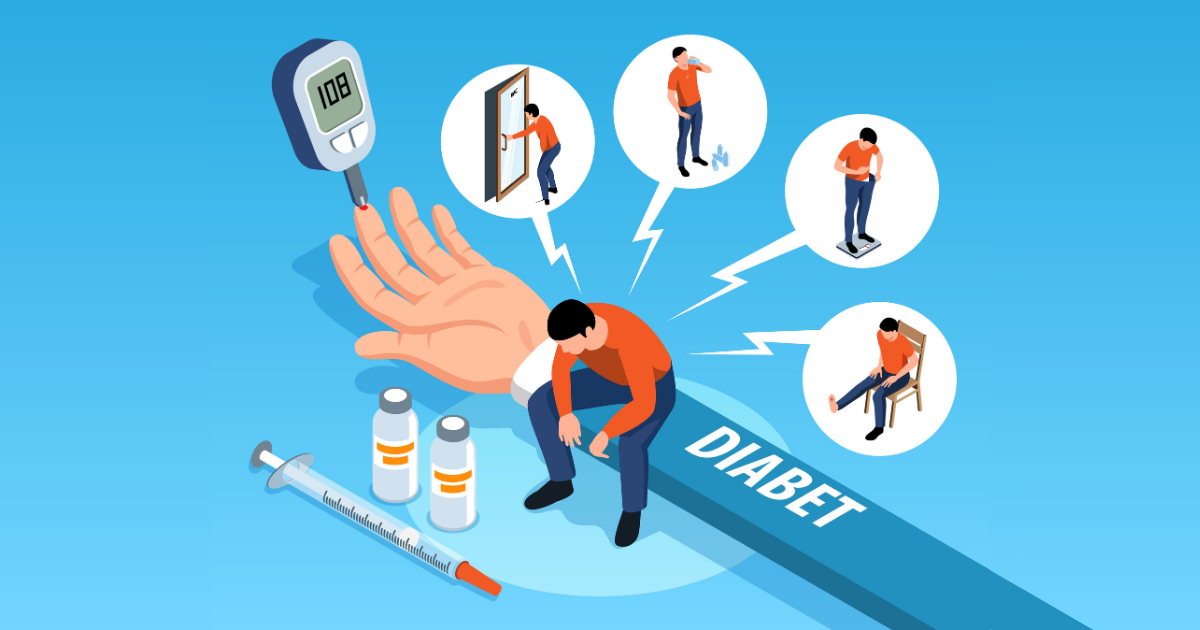
Early Signs of Type 2 Diabetes You Shouldn’t Ignore
Type 2 diabetes is a chronic condition that affects how your body processes blood sugar (glucose). It often develops gradually, and many people ignore the early warning signs until complications arise. Recognizing these symptoms early can help you seek timely medical care and prevent serious health issues.
Read More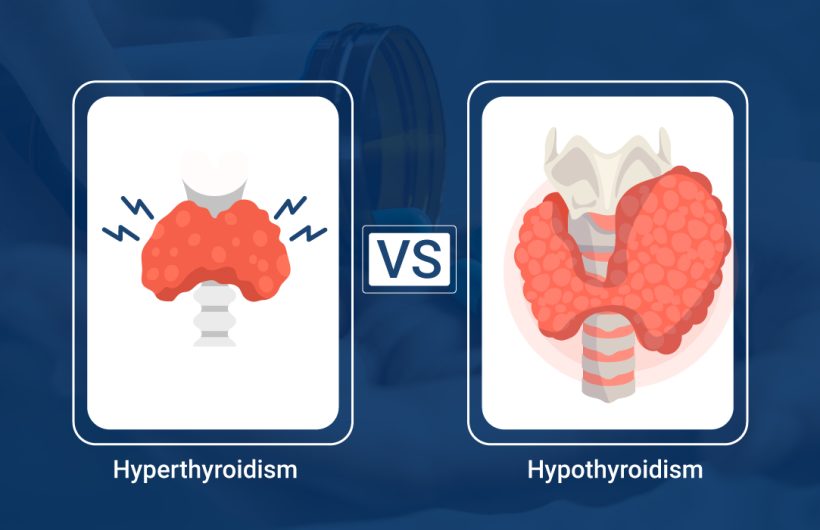
Hypothyroidism vs Hyperthyroidism: Key Differences
Thyroid disorders are among the most common hormonal problems affecting people today. Two major conditions—hypothyroidism and hyperthyroidism—occur when the thyroid gland does not function properly. While both involve the thyroid, they have opposite effects on the body.
Read More
Obesity & Its Impact on Hormonal Health
Obesity is more than just excess body weight—it is a complex health condition that significantly affects the body's hormonal balance. In recent years, rising obesity rates have become a major concern worldwide, especially in India. Hormones regulate essential body functions such as metabolism, appetite, mood, and reproduction. When obesity disrupts these hormones, it can lead to serious health complications.
Read More