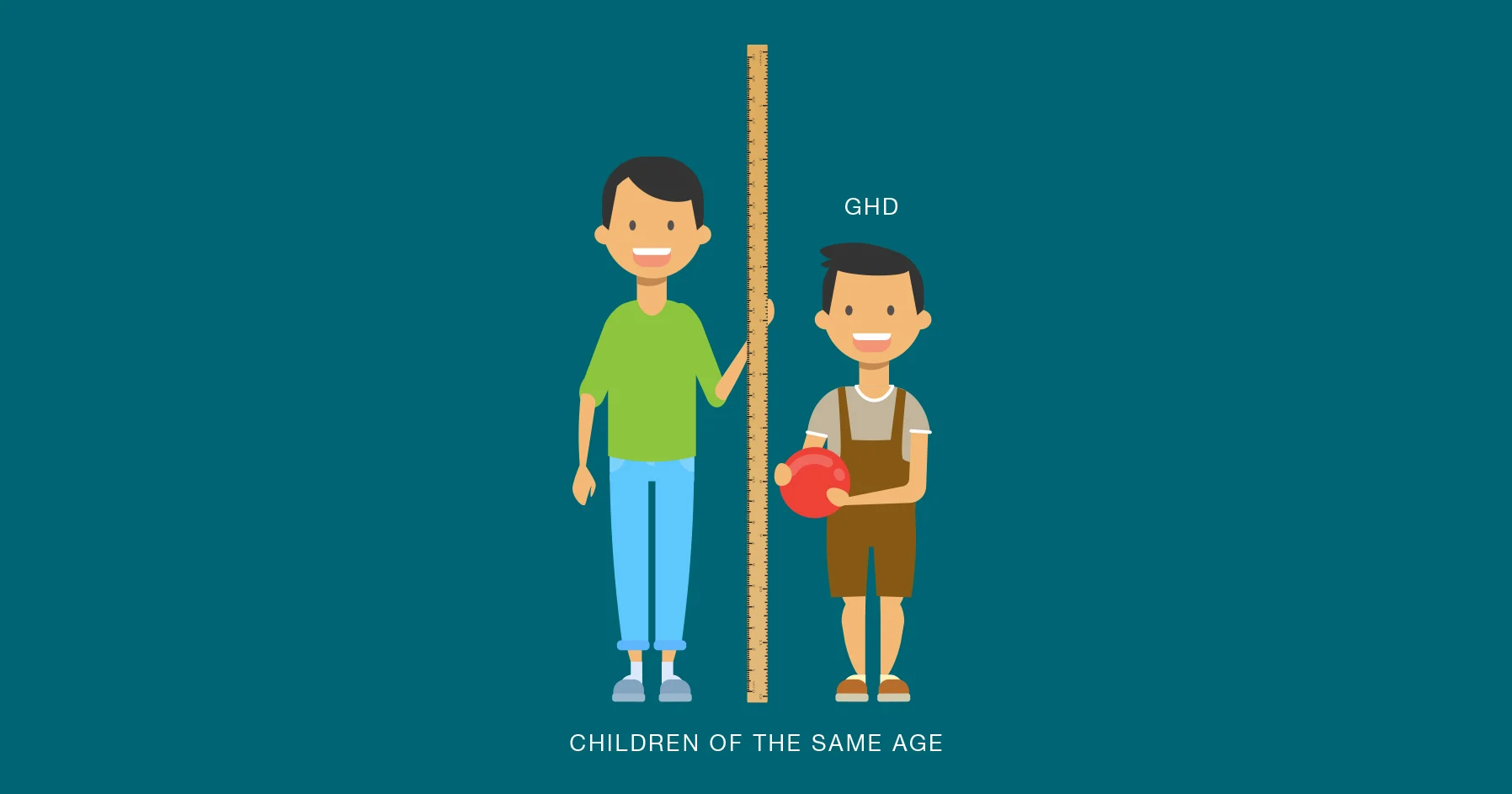
Growth Disorders
Growth disorders are conditions in which a child does not grow in height, weight, or physical development as expected for their age and sex. These disorders can appear at birth or develop later in childhood. Some growth differences are harmless and part of normal variation, while others may be signs of an underlying medical condition. Growth is usually tracked using growth charts, which compare a child's measurements with those of other children of the same age and gender. Consistent deviation from these charts may raise concern.
Types of Growth Disorders
Growth disorders can broadly be divided into two categories:
1. Short Stature (Poor Growth)
Short stature means a child is significantly shorter than other children of the same age and gender. Common causes include:
- Familial (genetic) short stature: Children are short because their parents are short.
- Constitutional growth delay: Growth is slow in childhood, but puberty is delayed, and adult height is usually normal.
- Hormonal disorders: Especially growth hormone deficiency or thyroid hormone deficiency.
- Chronic illnesses: Such as kidney disease, heart disease, asthma, or gastrointestinal disorders.
- Poor nutrition or malabsorption: Inadequate intake or absorption of nutrients.
- Genetic conditions: For example, Turner syndrome or Down syndrome.
2. Tall Stature (Excessive Growth)
Tall stature refers to a child growing much taller than average for their age. Possible causes include:
- Familial tall stature: Inherited from tall parents.
- Early puberty: Hormonal changes start earlier than usual.
- Hormonal excess: Such as excess growth hormone (gigantism).
- Genetic syndromes: Conditions like Marfan syndrome.
Signs and Symptoms to Watch For
Parents and caregivers should look out for:
- Growth slower or faster than peers
- Clothes and shoes fitting for unusually long periods
- Delayed or early puberty
- Unusual body proportions
- Fatigue, weakness, or poor appetite
- Developmental delays
A single measurement is not enough; the pattern of growth over time is what matters most.
Causes of Growth Disorders
Growth disorders can result from various factors, including:
- Hormonal problems: Growth hormone, thyroid hormone, cortisol, and sex hormones all influence growth.
- Genetic factors: Some children inherit growth patterns or genetic conditions.
- Chronic diseases: Long-term illnesses can affect nutrition and hormone balance.
- Nutritional deficiencies: Lack of calories, protein, vitamins, or minerals.
- Psychosocial factors: Severe emotional stress or neglect can also affect growth.
How Are Growth Disorders Diagnosed?
Diagnosis usually involves several steps:
- Detailed medical history: Includes birth details, family height history, nutrition, and past illnesses.
- Physical examination: Height, weight, body proportions, and pubertal development are assessed.
- Growth chart analysis: Tracking growth over months or years.
- Laboratory tests: Blood tests to check hormone levels, thyroid function, and general health.
- Imaging studies: A bone age X-ray (usually of the hand and wrist) helps determine growth potential.
- Specialized tests: Growth hormone stimulation tests or genetic tests when needed.
Treatment Options
Treatment depends on the cause of the growth disorder:
- Observation and reassurance: For normal variants like familial short stature or constitutional growth delay.
- Nutritional support: Improving diet and treating deficiencies.
- Hormone therapy:
- Growth hormone therapy for confirmed growth hormone deficiency and certain genetic conditions.
- Thyroid hormone replacement for hypothyroidism.
- Treatment for early or delayed puberty when indicated.
- Management of underlying diseases: Proper treatment of chronic illnesses can improve growth.
Treatment is usually long-term and requires regular follow-up with a pediatrician or pediatric endocrinologist.
Emotional and Social Impact
Growth disorders can affect a child's self-esteem and emotional well-being, especially during school years and adolescence. Children may experience teasing, social withdrawal, or anxiety. Emotional support, counseling, and open communication within the family are important parts of care.
When Should You See a Doctor?
You should consult a healthcare provider if:
- A child is much shorter or taller than peers
- Growth rate suddenly slows down or speeds up
- Puberty starts very early or is significantly delayed
- There is a family history of hormonal or genetic disorders
Early evaluation often leads to better outcomes.
Living with a Growth Disorder
With proper diagnosis and management, many children with growth disorders lead healthy, normal lives. Not all growth differences require medical treatment, but regular monitoring is essential. Understanding the condition helps families make informed decisions and reduces unnecessary worry.