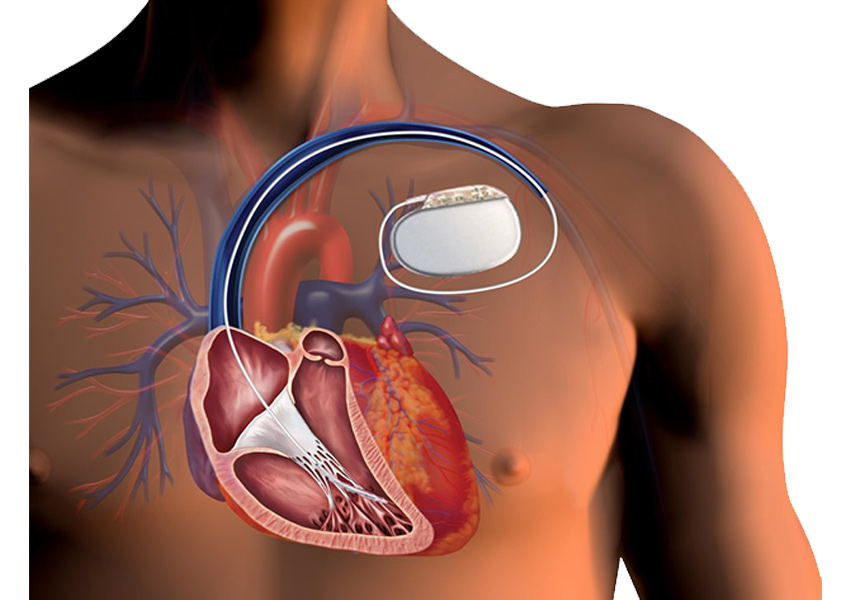
Automation Implantable Cardiac Defibrillator(AICD)
An Automated Implantable Cardiac Defibrillator (AICD) is a small medical device designed to monitor and treat dangerous heart rhythms (arrhythmias) that can lead to sudden cardiac arrest. It is a life-saving device for patients at high risk of life-threatening heart rhythm problems.
What Is an AICD?
An AICD is a battery-powered device implanted under the skin, usually near the collarbone. It continuously monitors the heart's rhythm and can deliver electrical shocks or pacing when a dangerous arrhythmia is detected.
Key functions:
- Detects ventricular tachycardia (fast heartbeats)
- Detects ventricular fibrillation (chaotic heartbeats)
- Delivers an electrical shock to restore a normal heart rhythm
- Provides pacing for slow heart rates if needed
Why Is an AICD Needed?
An AICD is recommended for patients who are at risk of sudden cardiac death due to:
- Previous cardiac arrest
- Ventricular tachycardia or fibrillation
- Severe heart failure with low ejection fraction
- Inherited arrhythmia syndromes (e.g., Long QT syndrome, Brugada syndrome)
Symptoms that may indicate dangerous arrhythmias include:
- Fainting or sudden collapse
- Palpitations (fast or irregular heartbeat)
- Dizziness or extreme fatigue
How Does an AICD Work?
- The AICD continuously monitors your heartbeat
- If it detects a life-threatening rhythm, it delivers a shock or rapid pacing to restore a normal heartbeat
- Most of the time, the device functions silently without causing discomfort
- Patients may feel a brief shock if the device needs to correct an arrhythmia
How Is an AICD Implanted?
AICD implantation is a minimally invasive procedure done in a hospital.
Steps include:
- Local anesthesia and mild sedation
- Small incision near the collarbone
- Leads are guided through a vein into the heart
- The AICD generator is connected to the leads and placed under the skin
- Device testing is done to ensure it detects and treats abnormal rhythms
- The incision is closed, and a small dressing is applied
The procedure usually takes 1–2 hours, and hospital stay is typically 1–2 days.
Benefits of an AICD
- Detects dangerous heart rhythms early
- Delivers life-saving treatment automatically
- Reduces the risk of sudden cardiac death
- Improves safety and peace of mind for patients with high-risk heart conditions
Risks and Complications
Although AICD implantation is generally safe, potential risks include:
- Infection at the implant site
- Bleeding or bruising
- Lead displacement
- Irregular heart rhythms or inappropriate shocks
- Rarely, damage to the heart or veins
Regular follow-up helps detect and manage complications.
Living with an AICD
- Most patients can resume normal activities after recovery
- Avoid strong magnetic fields and heavy electrical equipment
- Carry an AICD identification card at all times
- Attend regular check-ups to monitor battery life and device function
- Continue taking prescribed medications for heart conditions
When to Contact Your Doctor
- Fever, redness, or swelling at the incision site
- Unexplained shocks from the device
- Severe dizziness, fainting, or palpitations
- Any unusual symptoms related to the heart
Recovery After AICD Implantation
- Light activities can be resumed within a few days
- Avoid lifting the arm on the implantation side for 2–4 weeks
- The device battery lasts 5–10 years, after which it can be replaced in a minor procedure
- Most patients return to normal life with minimal restrictions