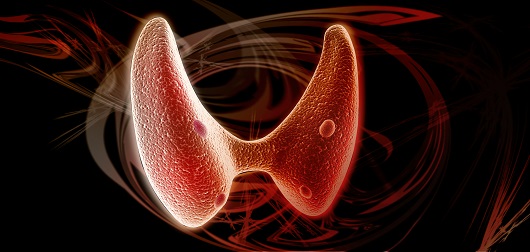
Endocrine Oncology
Endocrine oncology is a specialized field of medicine that focuses on cancers and tumors of the hormone-producing (endocrine) glands. These glands release hormones directly into the bloodstream and play a crucial role in regulating growth, metabolism, reproduction, and stress response. Tumors affecting these glands can disturb hormone balance and overall health.
What Is the Endocrine System?
The endocrine system consists of glands that produce hormones. Major endocrine glands include:
- Thyroid gland
- Parathyroid glands
- Pituitary gland
- Adrenal glands
- Pancreatic islet cells
- Ovaries and testes
Tumors arising from these glands may be benign (non-cancerous) or malignant (cancerous). Even benign tumors can cause significant problems if they produce excess hormones.
What Is Endocrine Oncology?
Endocrine oncology deals with the diagnosis and treatment of endocrine tumors, including rare hormone-secreting cancers. These tumors often grow slowly and may present with hormonal symptoms long before a mass is detected.
Some endocrine cancers are associated with genetic syndromes, making family screening important in selected cases.
Common Endocrine Cancers and Tumors
1. Thyroid Cancer
The most common endocrine cancer.
Types include:
- Papillary thyroid cancer (most common, good prognosis)
- Follicular thyroid cancer
- Medullary thyroid cancer (may be inherited)
- Anaplastic thyroid cancer (rare and aggressive)
Symptoms:
- Painless neck lump
- Hoarseness
- Difficulty swallowing
- Swollen lymph nodes
2. Adrenal Tumors
May be benign or malignant and can produce excess hormones.
Examples:
- Adrenocortical carcinoma
- Pheochromocytoma (usually benign but hormonally active)
Symptoms depend on hormone excess:
- High blood pressure
- Weight gain
- Excess sweating
- Palpitations
3. Pituitary Tumors
Mostly benign but may cause hormone overproduction or deficiency.
Symptoms:
- Headaches
- Vision problems
- Hormonal imbalance symptoms (acromegaly, Cushing's disease, infertility)
4. Parathyroid Cancer (Rare)
Affects calcium regulation.
Symptoms:
- High calcium levels
- Kidney stones
- Bone pain
- Fatigue
5. Neuroendocrine Tumors (NETs)
Arise from hormone-producing cells, often in the pancreas or gastrointestinal tract.
Symptoms:
- Flushing
- Diarrhea
- Low or high blood sugar
- Abdominal pain
Some NETs are slow-growing and treatable over many years.
Genetic Endocrine Cancer Syndromes
Some endocrine tumors are inherited, such as:
- Multiple Endocrine Neoplasia (MEN) type 1 and type 2
- Familial medullary thyroid cancer
Patients with a family history may need genetic counseling and screening.
How Are Endocrine Cancers Diagnosed?
Diagnosis usually involves a combination of:
- Hormone blood and urine tests - To detect hormone excess or deficiency
- Imaging studies - Ultrasound, CT scan, MRI, PET scan
- Biopsy - Fine-needle aspiration or tissue sampling
- Genetic testing - In selected patients with suspected inherited syndromes
Treatment Options in Endocrine Oncology
Treatment depends on the type of tumor, stage, hormone activity, and patient health.
Surgery
- Often the main treatment
- Aims to remove the tumor completely
Medications
- To control hormone overproduction
- Targeted therapies for specific tumors
Radioactive Therapy
- Radioactive iodine for certain thyroid cancers
Radiation Therapy and Chemotherapy
- Used in aggressive or advanced cancers
Long-Term Hormone Replacement
- Required if gland function is lost after treatment
Living with an Endocrine Cancer
Many endocrine cancers grow slowly and are highly treatable. Patients often live long, active lives with proper treatment and follow-up.
Long-term care includes:
- Regular hormone testing
- Periodic imaging
- Lifelong monitoring in some cases
- Emotional and psychological support
When Should You See a Doctor?
Seek medical advice if you experience:
- Unexplained hormonal symptoms
- Persistent lumps or swelling in the neck
- High blood pressure with unusual symptoms
- Family history of endocrine tumors
- Unexplained weight changes or fatigue