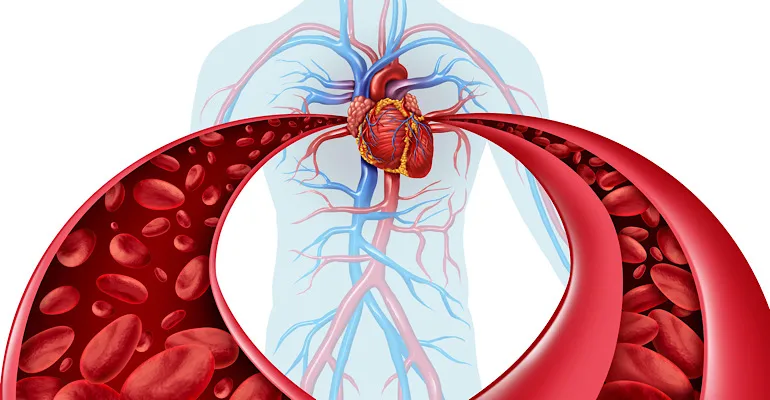
Renal Denervation Therapy – Advanced Treatment for Resistant Hypertension
Renal Denervation Therapy (RDN) is a minimally invasive, catheter-based procedure used to treat resistant hypertension (high blood pressure that does not respond to medication). This innovative treatment targets the overactive nerves in the renal arteries, helping to reduce blood pressure levels effectively.
It is performed by an experienced heartcare surgeon or interventional cardiologist, ensuring precision and safety.
Why is Renal Denervation Needed?
High blood pressure is a major risk factor for:
- Heart attack
- Stroke
- Kidney disease
- Heart failure
For patients who do not achieve control with medications, Renal Denervation offers a promising alternative to manage blood pressure and reduce long-term health risks.
How Does Renal Denervation Work?
The kidneys play a crucial role in regulating blood pressure through nerve signals. In some patients, these nerves become overactive, leading to persistent hypertension.
Renal Denervation works by:
- Using a catheter inserted through the groin
- Delivering controlled energy (radiofrequency or ultrasound)
- Disrupting overactive renal nerves
- Reducing signals that elevate blood pressure
This results in sustained blood pressure reduction over time.
Who is a Candidate for Renal Denervation?
You may be eligible if you:
- Have resistant hypertension despite taking multiple medications
- Have uncontrolled blood pressure levels
- Are at high risk of cardiovascular complications
- Cannot tolerate certain blood pressure medications
A qualified heartcare specialist evaluates your condition before recommending the procedure.
Procedure: What to Expect
Renal Denervation is a safe, minimally invasive procedure:
- Local anesthesia is administered
- A catheter is inserted via the femoral artery
- It is guided to the renal arteries
- Energy is delivered to target nerve activity
- The catheter is removed after completion
The procedure typically takes 60–90 minutes.
Benefits of Renal Denervation Therapy
- Significant reduction in blood pressure
- Long-lasting results
- Reduced dependence on medications
- Lower risk of heart attack and stroke
- Minimally invasive with quick recovery
With an experienced heartcare surgeon, patients can expect excellent outcomes.
Risks and Safety
Renal Denervation is generally safe, but possible risks include:
- Bleeding or bruising at the catheter site
- Temporary discomfort
- Rare vascular complications
Choosing a skilled specialist minimizes these risks significantly.
Recovery After the Procedure
- Hospital stay: Usually same day or 1 day
- Resume normal activities within a few days
- Follow-up visits to monitor blood pressure
- Gradual improvement in BP levels over weeks
Why Choose Our Heartcare Specialist?
- Expertise in advanced interventional procedures
- Use of cutting-edge technology
- Personalized hypertension management plans
- High patient success rates
- Comprehensive pre- and post-procedure care
We focus on delivering safe and effective treatment for long-term heart health.