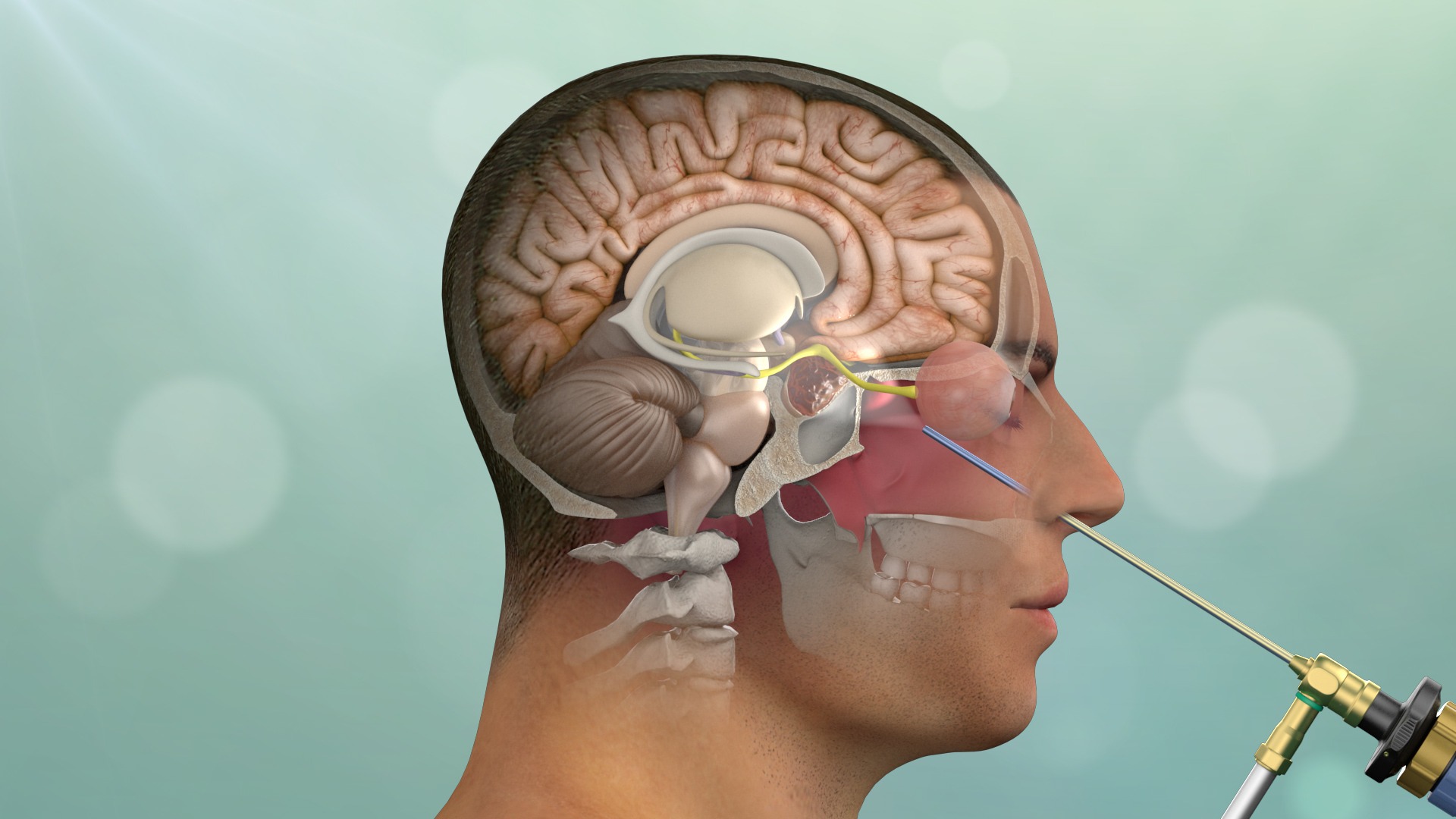
Pituitary Disorders Including Tumors
The pituitary gland is a small, pea-sized gland located at the base of the brain. Despite its small size, it is often called the "master gland" because it controls the function of many other hormone-producing glands in the body. The pituitary regulates growth, thyroid function, adrenal activity, reproduction, and water balance. Disorders of the pituitary gland, including pituitary tumors, can therefore affect many body systems.
What Is the Pituitary Gland and What Does It Do?
The pituitary gland produces several important hormones, including:
- Growth hormone (GH) – controls growth and metabolism
- Thyroid-stimulating hormone (TSH) – regulates thyroid function
- Adrenocorticotropic hormone (ACTH) – controls cortisol production
- Prolactin – stimulates breast milk production
- Follicle-stimulating hormone (FSH) and Luteinizing hormone (LH) – regulate reproductive function
- Antidiuretic hormone (ADH) – controls water balance
- Oxytocin – involved in childbirth and lactation
Any problem affecting the pituitary gland can lead to hormone excess or deficiency.
What Are Pituitary Disorders?
Pituitary disorders occur when the gland produces too much or too little hormone, or when a structural problem, such as a tumor, interferes with normal function. These disorders may develop gradually and can be difficult to recognize early.
Pituitary Tumors (Pituitary Adenomas)
Pituitary tumors are usually benign (non-cancerous) growths called pituitary adenomas. They are among the most common brain tumors.
Types of Pituitary Tumors
1. Functioning (Hormone-Secreting) Tumors
These produce excess hormones.
- Prolactinoma (most common) - Causes high prolactin levels. Symptoms: irregular periods, infertility, milk discharge from breasts, low libido in men
- Growth hormone–secreting tumors - Causes gigantism in children and acromegaly in adults. Symptoms: enlarged hands and feet, facial changes, joint pain
- ACTH-secreting tumors - Causes Cushing's disease. Symptoms: weight gain, round face, high blood pressure, diabetes
- TSH-secreting tumors (rare) - Causes hyperthyroidism
2. Non-Functioning Tumors
Do not produce hormones but may cause symptoms by pressing on nearby structures.
Symptoms of Pituitary Disorders and Tumors
Symptoms depend on the type and size of the tumor and hormone involvement.
Hormonal Symptoms
- Abnormal growth in children or adults
- Menstrual irregularities or infertility
- Erectile dysfunction and low libido
- Fatigue and weakness
- Weight gain or weight loss
- Excessive thirst or urination
Pressure-Related Symptoms
- Headaches
- Vision problems (especially loss of side vision)
- Nausea or vomiting (in large tumors)
Other Pituitary Disorders (Non-Tumor)
- Hypopituitarism – reduced production of one or more pituitary hormones
- Diabetes insipidus – lack of ADH causing excessive urination and thirst
- Sheehan's syndrome – pituitary damage after severe childbirth bleeding
- Pituitary inflammation or infection (rare)
How Are Pituitary Disorders Diagnosed?
Diagnosis usually involves:
- Blood and urine tests - To measure hormone levels
- Imaging studies - MRI of the brain focused on the pituitary gland
- Vision testing - To check for visual field defects
- Dynamic hormone tests - To assess hormone response
Early diagnosis helps prevent long-term complications.
Treatment Options
Treatment depends on the type of disorder, tumor size, hormone activity, and patient symptoms.
Medications
- Dopamine agonists for prolactinomas
- Hormone-blocking drugs
- Hormone replacement therapy for deficiencies
Surgery
- Transsphenoidal surgery (through the nose) is the most common approach
- Used for large tumors or those not responding to medication
Radiation Therapy
- Used when surgery and medication are not fully effective
Living with a Pituitary Disorder
Many pituitary disorders require long-term follow-up. Patients may need:
- Regular hormone testing
- Periodic MRI scans
- Lifelong hormone replacement in some cases
With proper treatment, most patients can live healthy and productive lives.
When Should You See a Doctor?
Consult a healthcare provider if you experience:
- Persistent headaches or vision changes
- Growth failure in children
- Enlargement of hands and feet in adults
- Menstrual irregularities or fertility problems
- Low libido / hypogonadism
- Fatigue & weakness
- Weight gain / Weight loss