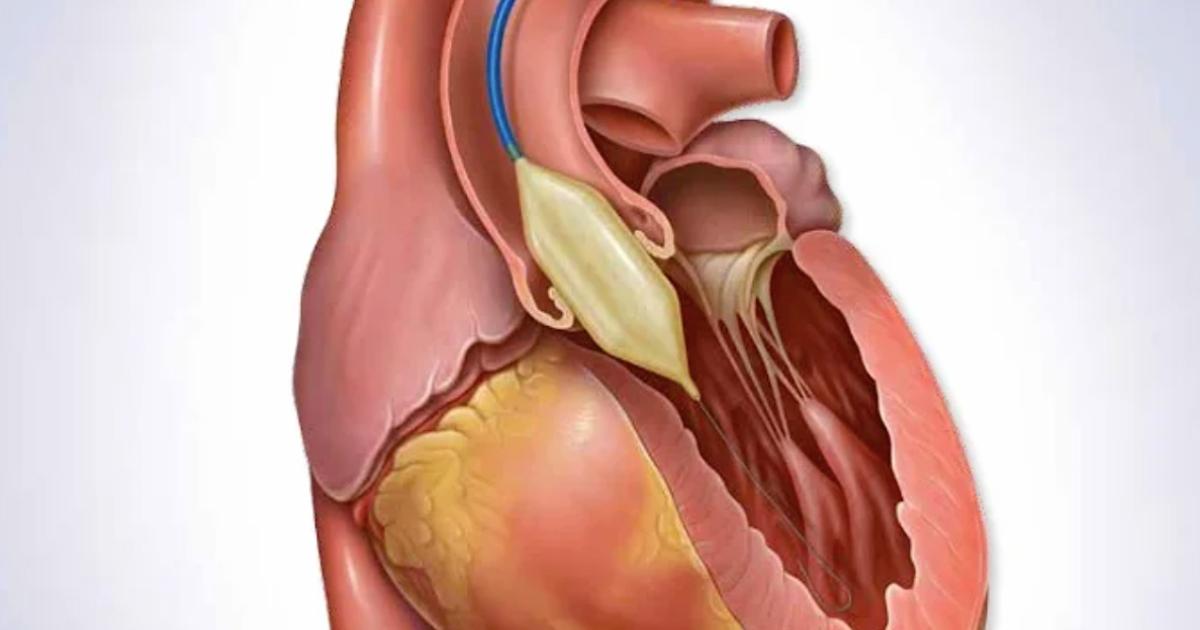
Valvuloplasty
Valvuloplasty is a medical procedure used to treat narrowed (stenotic) heart valves. When a heart valve becomes stiff or narrowed, it does not open properly, making it harder for blood to flow through the heart. Valvuloplasty helps widen the valve opening, improve blood flow, and reduce symptoms without the need for open-heart surgery in many cases.
Understanding Heart Valves
The heart has four valves that ensure blood flows in the correct direction:
- Mitral valve
- Aortic valve
- Tricuspid valve
- Pulmonary valve
These valves open and close with each heartbeat. If a valve becomes narrowed (a condition called stenosis), the heart has to work harder to pump blood.
What Is Valvuloplasty?
Valvuloplasty is a minimally invasive, catheter-based procedure in which a balloon is used to stretch and open a narrowed heart valve. It is most commonly performed for:
- Mitral valve stenosis (especially due to rheumatic heart disease)
- Pulmonary valve stenosis
- Selected cases of aortic valve stenosis (usually as a temporary or supportive measure)
The most common type is balloon valvuloplasty.
Why Is Valvuloplasty Needed?
Valvuloplasty is recommended when valve narrowing causes significant symptoms or affects heart function. Common symptoms include:
- Shortness of breath
- Fatigue
- Chest pain
- Palpitations
- Swelling of legs or feet
- Fainting (in severe cases)
The procedure improves blood flow and relieves strain on the heart.
Who Is a Good Candidate?
Valvuloplasty is suitable for selected patients, depending on:
- Type of valve involved
- Severity of valve narrowing
- Valve structure and calcification
- Age and overall health
- Presence of other heart conditions
Your cardiologist will decide suitability after detailed evaluation.
Types of Valvuloplasty
Mitral Balloon Valvuloplasty
- Most common
- Used in mitral stenosis
- Especially effective in rheumatic heart disease
Pulmonary Balloon Valvuloplasty
- Often done in children or young adults
- Usually has excellent long-term results
Aortic Balloon Valvuloplasty
- Mainly used in elderly or high-risk patients
- Often a bridge to valve replacement
How Is Valvuloplasty Performed?
The procedure is usually done in a cardiac catheterization laboratory. Steps include:
- Local anesthesia and mild sedation
- A catheter is inserted through a blood vessel in the groin or arm
- The catheter is guided to the heart valve using X-ray imaging
- A balloon at the tip of the catheter is inflated to widen the valve
- The balloon is then deflated and removed
The procedure typically takes 1–2 hours.
Benefits of Valvuloplasty
- Minimally invasive (no open surgery)
- Short hospital stay
- Faster recovery
- Symptom relief
- Improved quality of life
Risks and Complications
Valvuloplasty is generally safe, but like any medical procedure, it has some risks:
- Bleeding or infection at the catheter site
- Damage to the valve
- Irregular heart rhythms
- Blood clots
- Valve leakage (regurgitation)
- Rarely, stroke or heart attack
Your doctor will discuss risks and benefits before the procedure.
Recovery After Valvuloplasty
- Hospital stay is usually 1–3 days
- Light activities can be resumed within a few days
- Heavy lifting should be avoided for a short period
- Medications may be prescribed to prevent complications
- Regular follow-up and echocardiography are required
Long-Term Outlook
Valvuloplasty can provide long-lasting symptom relief, especially in mitral and pulmonary stenosis. However, in some cases, the valve may gradually narrow again over time, and repeat treatment or surgery may be needed.
Maintaining heart health, taking medications as advised, and regular check-ups are essential.
When Should You Contact Your Doctor?
After the procedure, seek medical attention if you experience:
- Fever
- Chest pain
- Increasing shortness of breath
- Swelling, pain, or bleeding at the catheter site
- Irregular heartbeat