Diabetes
Diabetes is a common chronic health condition that affects how the body processes blood sugar (glucose). Glucose is an important source of energy for the body, but in diabetes, blood sugar levels remain higher than normal. If not managed properly, diabetes can lead to serious health complications affecting the heart, kidneys, eyes, nerves, and other organs. With proper care, lifestyle changes, and medical treatment, people with diabetes can live healthy and active lives.
What Is Diabetes?
Diabetes mellitus is a condition in which the body either does not produce enough insulin or cannot use insulin effectively. Insulin is a hormone produced by the pancreas that helps glucose enter the body's cells to be used as energy. When insulin does not work properly, glucose builds up in the blood, leading to high blood sugar levels.
Types of Diabetes
- Type 1 Diabetes: An autoimmune condition where the body attacks insulin-producing cells. Usually diagnosed in children or young adults and requires lifelong insulin therapy.
- Type 2 Diabetes: The most common form where the body becomes resistant to insulin or produces insufficient insulin. Strongly linked to obesity, sedentary lifestyle, and family history.
- Gestational Diabetes: Occurs during pregnancy and usually resolves after delivery. Increases the risk of future Type 2 diabetes.
Causes and Risk Factors
- Family history of diabetes
- Overweight or obesity
- Lack of physical activity
- Unhealthy diet
- Increasing age
- High blood pressure
- Polycystic ovary syndrome (PCOS)
- History of gestational diabetes
Symptoms of Diabetes
- Frequent urination
- Excessive thirst
- Increased hunger
- Unexplained weight loss
- Fatigue and weakness
- Blurred vision
- Slow healing of wounds
- Frequent infections
- Tingling or numbness in hands and feet
Some people may have no symptoms and are diagnosed during routine testing.
Diagnosis of Diabetes
Diabetes is diagnosed using blood tests such as:
- Fasting Blood Sugar (FBS)
- Postprandial Blood Sugar (PPBS)
- HbA1c (Glycated Hemoglobin) – reflects average blood sugar over 3 months
- Oral Glucose Tolerance Test (OGTT)
Early diagnosis helps prevent complications.
Treatment of Diabetes
Lifestyle Management:
- Healthy, balanced diet
- Regular physical activity
- Weight management
- Stress control
- Adequate sleep
Medications:
- Oral antidiabetic drugs (for Type 2 diabetes)
- Injectable medications
- Insulin therapy (essential for Type 1 diabetes and some Type 2 cases)
Blood Sugar Monitoring:
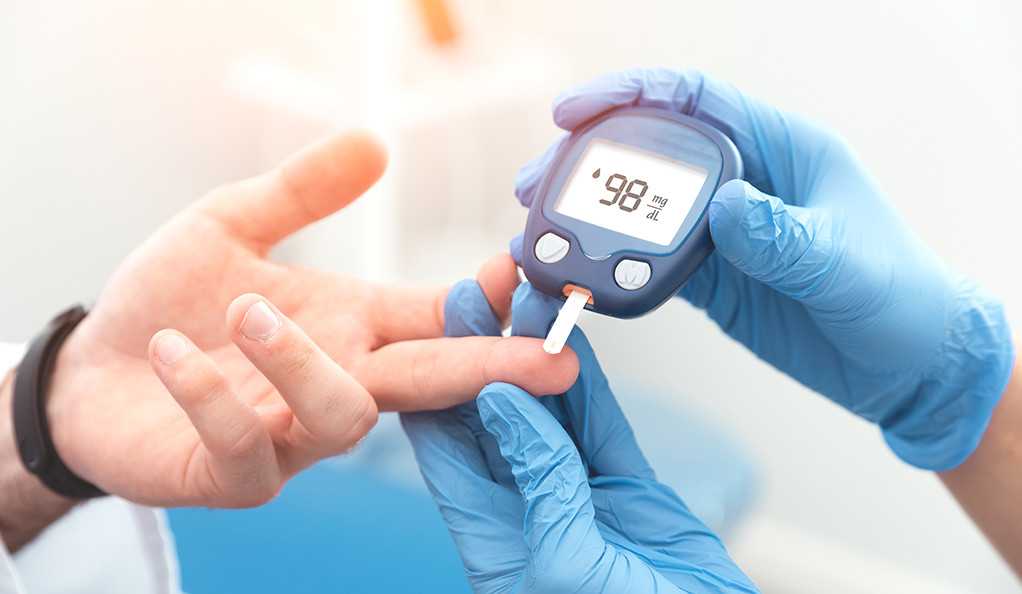
- Regular home glucose monitoring
- Periodic HbA1c testing
Diet and Nutrition in Diabetes
A diabetes-friendly diet includes:
- Whole grains
- Fresh vegetables and fruits
- Lean proteins
- Healthy fats
- Limited sugar and refined carbohydrates
- Controlled portion sizes
Avoid sugary drinks, processed foods, and excessive fried items.
Exercise and Physical Activity
Regular exercise helps improve insulin sensitivity, lower blood sugar levels, reduce weight, and improve heart health. Aim for at least 30 minutes of moderate exercise on most days.
Complications of Diabetes
Poorly controlled diabetes can lead to:
- Heart disease and stroke
- Kidney damage (diabetic nephropathy)
- Eye problems (diabetic retinopathy)
- Nerve damage (neuropathy)
- Foot ulcers and infections
- Sexual dysfunction
Early management significantly reduces these risks.
Prevention of Diabetes
Type 2 diabetes can often be prevented by:
- Maintaining healthy body weight
- Eating a balanced diet
- Exercising regularly
- Avoiding smoking
- Regular health check-ups
People with prediabetes should take early action to prevent progression.
Living with Diabetes
Living with diabetes requires ongoing care and self-management, including adherence to treatment plans, monitoring blood sugar levels, regular doctor visits, eye, kidney, and foot examinations, and emotional and mental health support. With proper care, most people with diabetes lead normal, productive lives.
When to See a Doctor
Consult a doctor if you experience symptoms of high or low blood sugar, poorly controlled blood sugar readings, frequent infections, or unexplained weight changes. Early medical care helps prevent complications.