IVC Filter Placement – Advanced Protection Against Pulmonary Embolism
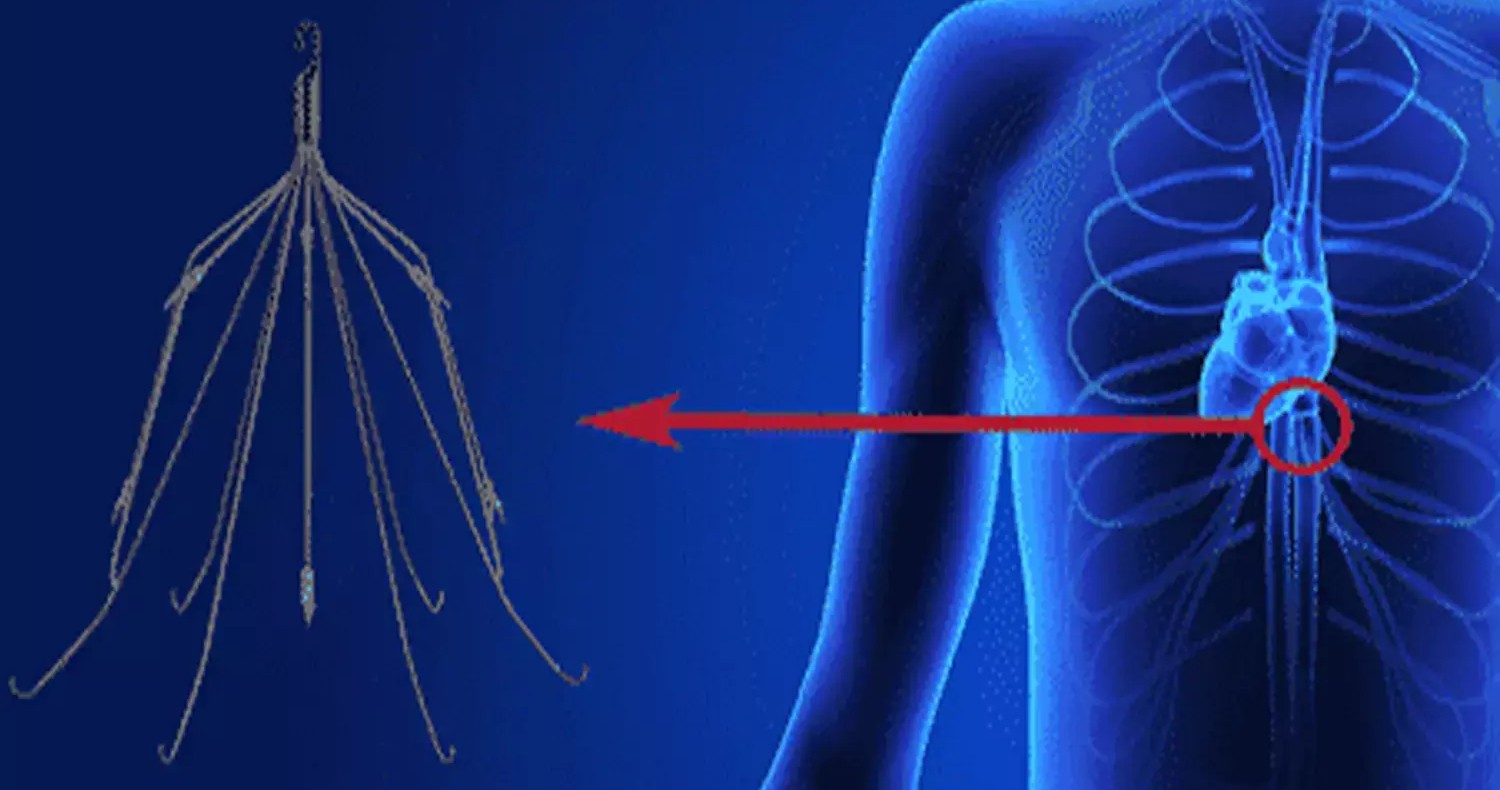
IVC (Inferior Vena Cava) Filter Placement is a minimally invasive procedure used to prevent pulmonary embolism (PE) by trapping blood clots before they reach the lungs. The filter is placed inside the inferior vena cava, the large vein that carries blood from the lower body to the heart.
This procedure is performed by an experienced heartcare surgeon or interventional specialist, ensuring precision and patient safety.
Why is an IVC Filter Needed?
Blood clots that form in the legs or pelvis (deep vein thrombosis – DVT) can travel to the lungs and become life-threatening.
An IVC filter is recommended when:
- Blood thinners are not effective
- Patients cannot take anticoagulants
- There is a high risk of clot formation
- Recurrent clots occur despite medication
It acts as a protective barrier, reducing the risk of serious complications.
How Does an IVC Filter Work?
The IVC filter is a small, cage-like device that:
- Is placed inside the inferior vena cava
- Traps large blood clots
- Allows normal blood flow to continue
- Prevents clots from reaching the lungs
This helps significantly reduce the risk of pulmonary embolism.
Types of IVC Filters
1. Permanent IVC Filters
Designed to remain in the body for long-term protection.
2. Retrievable (Temporary) IVC Filters
Can be removed once the risk of clot formation decreases.
Your doctor will decide the most suitable option based on your condition.
Procedure: What to Expect
IVC filter placement is a quick and minimally invasive procedure:
- Local anesthesia is given
- A catheter is inserted through a vein in the neck or groin
- The filter is guided into the inferior vena cava using imaging
- The filter is deployed and positioned correctly
- The catheter is removed
The procedure usually takes 30–60 minutes.
Benefits of IVC Filter Placement
- Prevents life-threatening pulmonary embolism
- Minimally invasive and quick procedure
- Suitable for high-risk patients
- Immediate protection against clot migration
- Can be temporary or permanent
With a skilled heartcare specialist, the procedure is highly effective and safe.
Risks and Complications
Although generally safe, possible risks include:
- Bleeding or infection at the insertion site
- Filter migration (rare)
- Vein blockage
- Difficulty in removal (for temporary filters)
Choosing an experienced surgeon reduces these risks significantly.
Recovery After IVC Filter Placement
- Same-day discharge or short hospital stay
- Resume normal activities within 24–48 hours
- Follow-up imaging may be required
- Monitoring for clot-related symptoms
Why Choose Our Heartcare Specialist?
- Expertise in minimally invasive vascular procedures
- Advanced imaging-guided techniques
- High safety and success rates
- Personalized patient care
- Comprehensive follow-up support
We ensure safe and effective treatment tailored to each patient's needs.