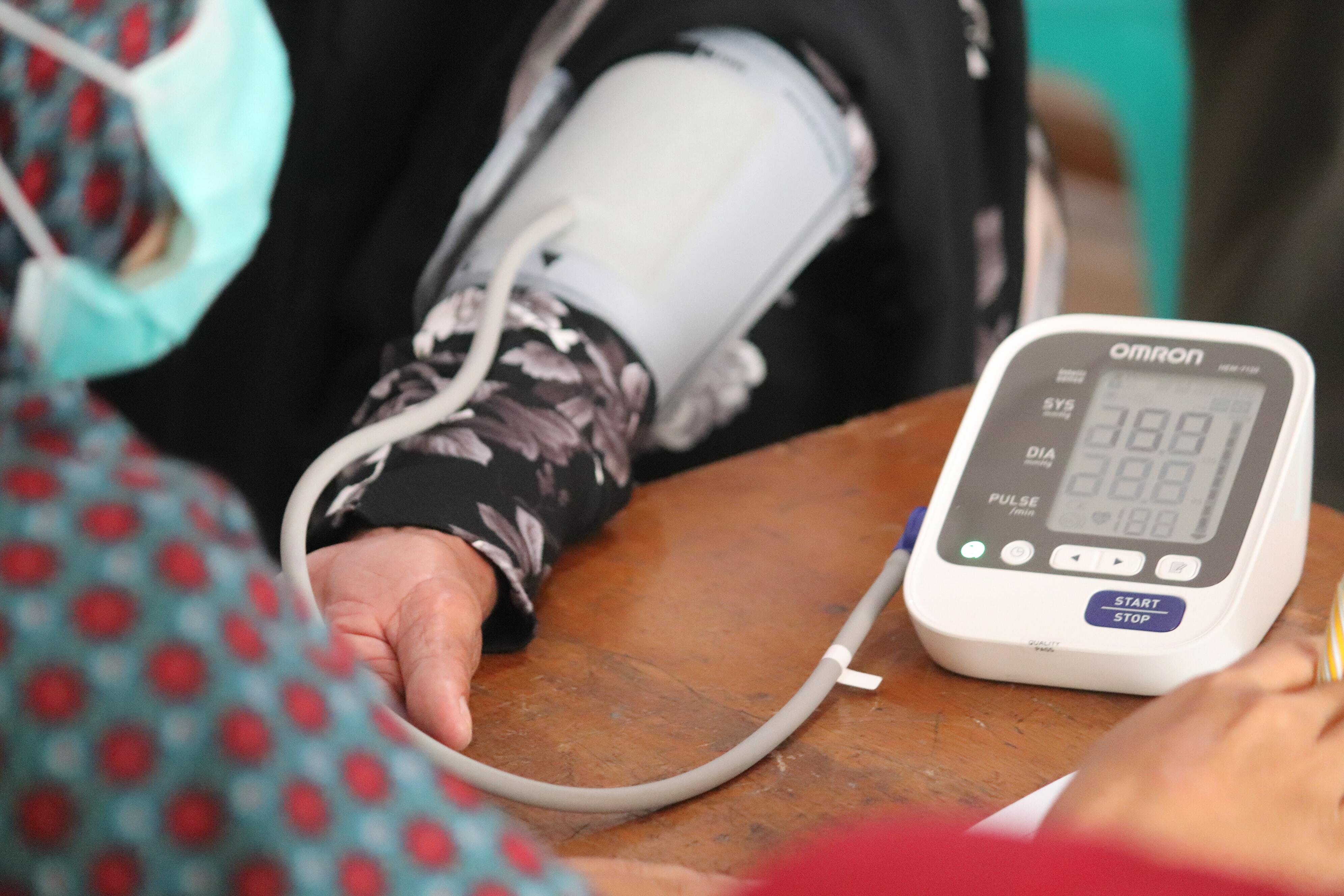
Hypertension (High Blood Pressure)
Hypertension, commonly known as high blood pressure, is a long-term medical condition in which the force of blood against the walls of the arteries is consistently too high. It is one of the most common health problems worldwide and a major risk factor for heart disease, stroke, kidney failure, and other serious complications. Because it often has no noticeable symptoms, hypertension is sometimes called the “silent killer.” This article explains hypertension in simple language to help patients understand its causes, symptoms, diagnosis, treatment, and prevention.
What Is Blood Pressure?
Blood pressure is the pressure exerted by circulating blood on the walls of the arteries. It is measured using two numbers:
- Systolic pressure (top number): Pressure when the heart contracts
- Diastolic pressure (bottom number): Pressure when the heart relaxes
Blood pressure is written as systolic/diastolic, for example, 120/80 mmHg.
Normal blood pressure: Around 120/80 mmHg
Hypertension: Blood pressure consistently 140/90 mmHg or higher
Types of Hypertension
- Primary (Essential) Hypertension
- Most common type
- Develops gradually over time
- No single identifiable cause
- Related to genetics, age, diet, lifestyle, and stress
- Secondary Hypertension
- Caused by an underlying medical condition
- Appears suddenly and may be more severe
- Common causes include kidney disease, hormonal disorders, thyroid problems, certain medications, and pregnancy-related conditions
Causes and Risk Factors
Several factors increase the risk of developing hypertension:
- Family history of high blood pressure
- Increasing age
- Excess salt intake
- Obesity or overweight
- Lack of physical activity
- Smoking and alcohol consumption
- Chronic stress
- Diabetes and high cholesterol
- Kidney or endocrine disorders
Symptoms of Hypertension
Most people with hypertension do not experience symptoms, even when blood pressure is dangerously high. In some cases, symptoms may include:
- Headaches
- Dizziness
- Blurred vision
- Shortness of breath
- Chest pain
- Nosebleeds (rare)
Symptoms usually appear only when complications have already developed.
Why Is Hypertension Dangerous?
If left untreated, high blood pressure can damage vital organs over time:
- Heart: Heart attack, heart failure, thickened heart muscle
- Brain: Stroke, memory problems
- Kidneys: Chronic kidney disease or kidney failure
- Eyes: Vision loss (hypertensive retinopathy)
- Blood vessels: Atherosclerosis and aneurysms
How Is Hypertension Diagnosed?
Hypertension is diagnosed through repeated blood pressure measurements:
- Blood pressure monitoring
- Taken on different occasions
- Home or ambulatory blood pressure monitoring may be advised
- Laboratory tests
- Blood sugar, cholesterol
- Kidney function tests
- Urine examination
- Additional tests
- ECG or echocardiogram if heart involvement is suspected
Treatment and Management
Hypertension is a lifelong condition, but it can be effectively controlled.
Lifestyle Changes
These are the foundation of treatment:
- Reduce salt intake
- Eat a healthy, balanced diet (fruits, vegetables, whole grains)
- Maintain a healthy body weight
- Exercise regularly (at least 30 minutes most days)
- Quit smoking
- Limit alcohol consumption
- Manage stress through relaxation techniques
Medications
If lifestyle changes are not enough, medications may be prescribed, such as:
- ACE inhibitors
- Angiotensin receptor blockers (ARBs)
- Calcium channel blockers
- Diuretics
- Aldosterone receptor antagonists
- Beta blockers
Hypertension in Special Situations
- Pregnancy: High blood pressure can be dangerous for both mother and baby and needs close monitoring.
- Elderly: Careful treatment is needed to avoid sudden drops in blood pressure.
- Diabetes and kidney disease: Blood pressure targets are often stricter.
Living with Hypertension
With proper treatment and regular follow-up, people with hypertension can live long and healthy lives. Patients should:
- Take medications exactly as prescribed
- Monitor blood pressure at home
- Attend regular medical check-ups
- Avoid stopping medication without medical advice
When Should You See a Doctor?
Seek medical care if:
- Blood pressure readings are consistently high
- You have symptoms like chest pain, severe headache, or shortness of breath
- You have risk factors such as diabetes, obesity, or family history of hypertension