Hypoglycemic Disorders
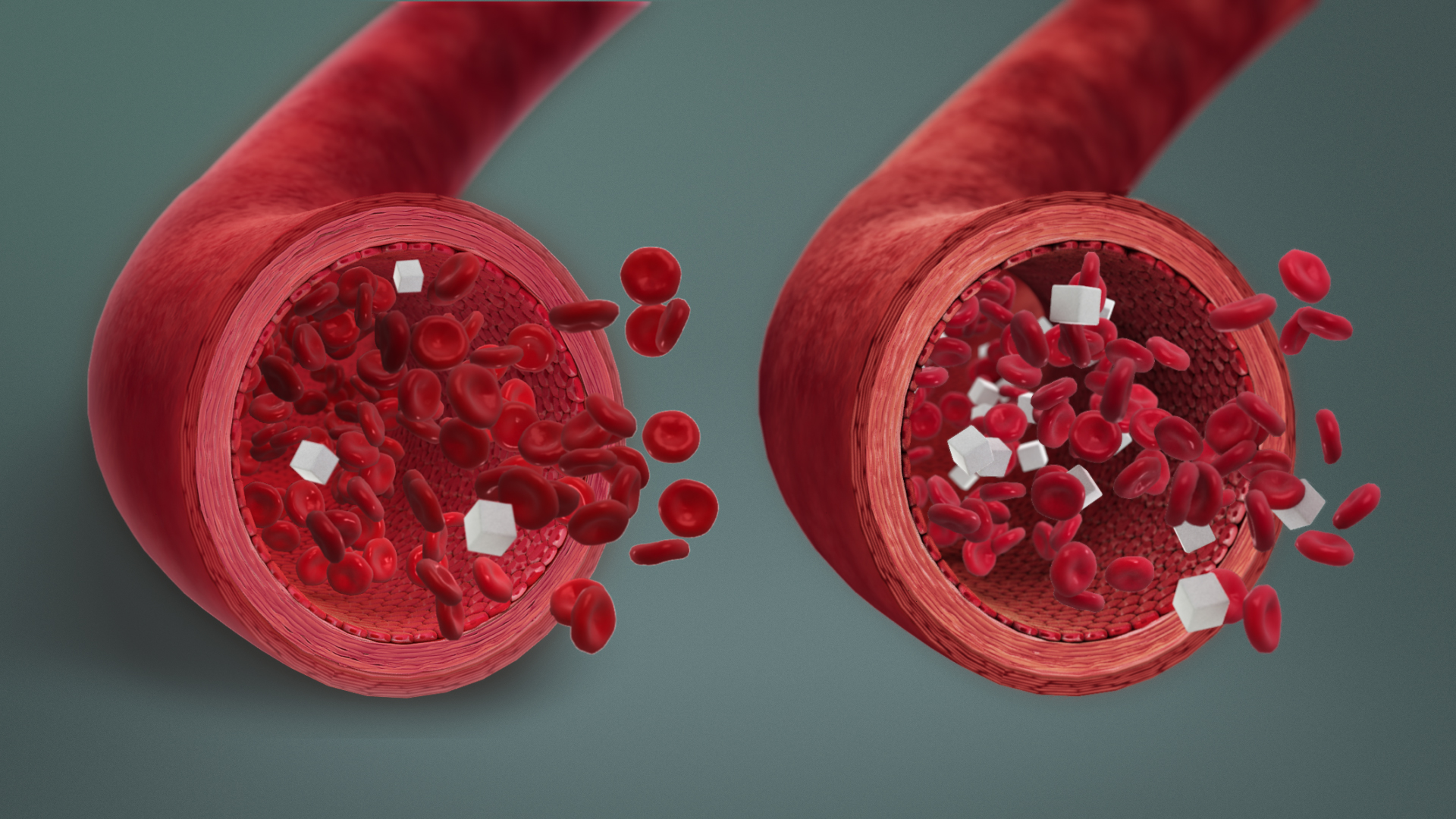
Hypoglycemic disorders are conditions in which the blood glucose (sugar) level falls below normal. Glucose is the main source of energy for the body, especially for the brain. When blood sugar becomes too low, the body cannot function properly, leading to a variety of symptoms that can be mild or life-threatening if not treated promptly.
What Is Hypoglycemia?
Hypoglycemia means low blood sugar, usually defined as a blood glucose level below 70 mg/dL. It is most commonly seen in people with diabetes but can also occur in individuals without diabetes due to other medical conditions.
Why Is Glucose Important?
Glucose provides energy to:
- The brain and nervous system
- Muscles and organs
- Cells needed for daily activities
When glucose levels drop too low, the brain is especially affected, which explains many of the symptoms of hypoglycemia.
Types of Hypoglycemic Disorders
Hypoglycemia can be broadly classified into diabetic and non-diabetic hypoglycemia.
1. Diabetic Hypoglycemia
This is the most common form and occurs in people with diabetes.
Common causes include:
- Excess insulin or diabetes medications
- Skipping or delaying meals
- Eating less than usual
- Increased physical activity without adjusting food or medication
- Alcohol consumption
2. Non-Diabetic Hypoglycemia
Occurs in people without diabetes and is less common.
Types include:
Fasting Hypoglycemia
- Occurs after long periods without food
- Causes: liver disease, hormonal deficiencies (cortisol or growth hormone), insulin-producing tumors (insulinoma)
Reactive (Postprandial) Hypoglycemia
- Occurs 2–4 hours after meals
- Often related to excessive insulin release, gastric surgery, or prediabetes
Hypoglycemia Due to Critical Illness
- Severe infections, kidney or liver failure
Drug-Induced Hypoglycemia
- Caused by certain medications or accidental ingestion of diabetes drugs
Symptoms of Hypoglycemia
Symptoms can vary from person to person and may come on suddenly.
Early (Warning) Symptoms
- Hunger
- Sweating
- Tremors or shakiness
- Palpitations
- Anxiety or irritability
Neuroglucopenic (Brain-Related) Symptoms
- Dizziness
- Confusion
- Blurred vision
- Difficulty speaking
- Drowsiness
- Seizures or loss of consciousness (in severe cases)
Hypoglycemia Unawareness
Some people, especially those with long-standing diabetes, may not feel early warning signs. This condition is called hypoglycemia unawareness and increases the risk of severe episodes.
How Are Hypoglycemic Disorders Diagnosed?
Diagnosis is based on Whipple's triad:
- Symptoms of hypoglycemia
- Low blood glucose measured at the time of symptoms
- Relief of symptoms after glucose intake
Additional tests may include:
- Blood glucose monitoring
- Insulin and C-peptide levels
- Hormone tests (cortisol, growth hormone)
- Fasting tests or mixed-meal tests
- Imaging studies if a tumor is suspected
Treatment of Hypoglycemia
Immediate Treatment (Acute Episode)
Mild to moderate hypoglycemia
- Consume fast-acting carbohydrates (15–20 g glucose)
- Examples: glucose tablets, fruit juice, sugar dissolved in water
Severe hypoglycemia
- Requires emergency treatment
- Injectable glucagon or intravenous glucose
Long-Term Management
Treatment depends on the underlying cause.
- Adjusting diabetes medications
- Eating regular, balanced meals
- Avoiding excessive alcohol
- Treating hormonal deficiencies
- Surgical removal of insulin-producing tumors if present
Patients with recurrent hypoglycemia need individualized care plans.
Prevention Tips
- Do not skip meals
- Monitor blood glucose regularly
- Carry a quick source of sugar
- Educate family and friends about hypoglycemia
- Wear medical identification if at risk
- Follow medication instructions carefully
Hypoglycemia in Special Groups
- Children: Can affect growth and brain development if recurrent
- Elderly: Higher risk due to multiple medications and reduced awareness
- Pregnant women: Requires careful monitoring to protect both mother and baby
When Should You See a Doctor?
Consult a healthcare provider if:
- You experience frequent low blood sugar episodes
- Hypoglycemia occurs without diabetes
- Symptoms are severe or unexplained
- There is loss of consciousness or seizures