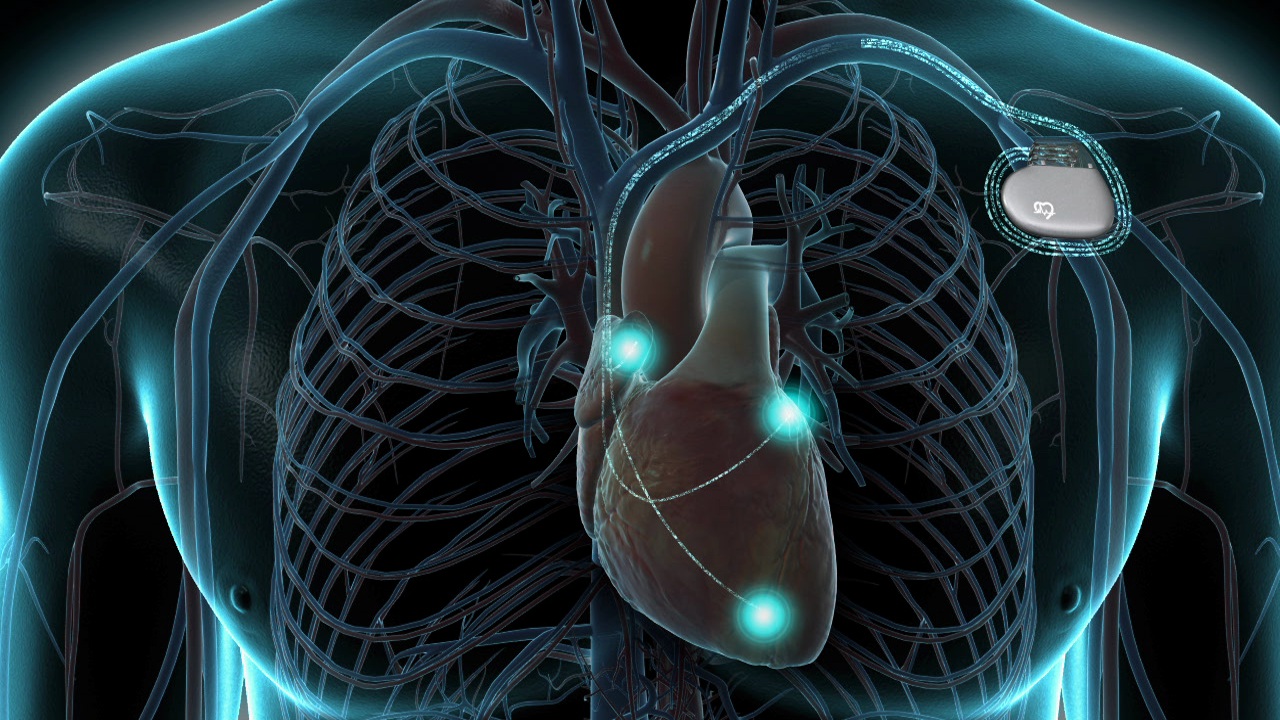
Pacemaker Implantation
A pacemaker is a small medical device that helps control abnormal heart rhythms (arrhythmias). It ensures that the heart beats at a normal and regular pace, improving blood flow and reducing symptoms like fatigue, dizziness, or fainting. Pacemaker implantation is a common, safe procedure that can significantly improve quality of life.
What Is a Pacemaker?
A pacemaker is a small electronic device implanted under the skin near the chest. It consists of:
- Pulse generator: Contains a battery and electronic circuitry that sends electrical signals
- Leads (wires): Carry electrical impulses from the generator to the heart
The pacemaker monitors your heart rhythm and sends impulses when the heart beats too slowly or irregularly.
Why Is a Pacemaker Needed?
Pacemakers are used to treat bradycardia (abnormally slow heart rate) and other rhythm problems.
Common reasons include:
- Slow heartbeat causing dizziness, fatigue, or fainting
- Heart block (electrical signal delay between the heart chambers)
- Sick sinus syndrome (malfunction of the heart’s natural pacemaker)
- Heart failure in selected cases (specialized pacemakers called CRT devices)
Symptoms That May Indicate the Need for a Pacemaker
- Fatigue or weakness
- Lightheadedness or dizziness
- Fainting or near-fainting episodes
- Shortness of breath
- Palpitations or irregular heartbeat
If untreated, severe bradycardia can increase the risk of complications, including heart failure or sudden cardiac arrest.
How Is a Pacemaker Implanted?
Pacemaker implantation is a minimally invasive procedure performed in a hospital.
Steps include:
- Preparation: You may receive local anesthesia and mild sedation.
- Incision: A small cut is made near the collarbone.
- Lead insertion: Leads are threaded through a vein into the heart under X-ray guidance.
- Generator placement: The pulse generator is placed under the skin and connected to the leads.
- Testing: The device is checked to ensure it regulates the heartbeat properly.
- Closure: The incision is closed, and a small bandage is applied.
The procedure usually takes 1–2 hours, and most patients stay in the hospital 1–2 days.
Types of Pacemakers
- Single-chamber pacemaker: One lead, usually in the right ventricle
- Dual-chamber pacemaker: Two leads, in the right atrium and right ventricle, for better coordination
- Biventricular pacemaker (CRT): Three leads for heart failure patients to improve heart pumping
Recovery After Pacemaker Implantation
- Keep the incision area clean and dry
- Avoid lifting the arm on the implantation side for a few weeks
- Most patients can resume light activities within a few days
- Regular follow-up is essential to check device function
- Pacemakers are usually long-lasting, but batteries may need replacement every 5–10 years
Benefits of a Pacemaker
- Improves symptoms like fatigue and dizziness
- Restores normal heart rhythm and regular heartbeat
- Enhances exercise tolerance and quality of life
- Reduces the risk of fainting and serious complications
Risks and Complications
Pacemaker implantation is generally safe, but possible risks include:
- Infection at the implant site
- Bleeding or bruising
- Lead displacement (rare)
- Allergic reaction to anesthesia
- Very rarely, damage to the heart or veins
Living with a Pacemaker
- Avoid strong magnetic fields or heavy electrical equipment
- Carry a pacemaker ID card
- Attend regular follow-ups
- Inform doctors and dentists about your pacemaker before procedures
- Most daily activities, including work and exercise, are safe after recovery
When Should You Contact Your Doctor?
Redness, swelling, or pain at the incision site
- Fever or signs of infection
- Dizziness, fainting, or palpitations despite pacemaker
- Any unusual symptoms near the device