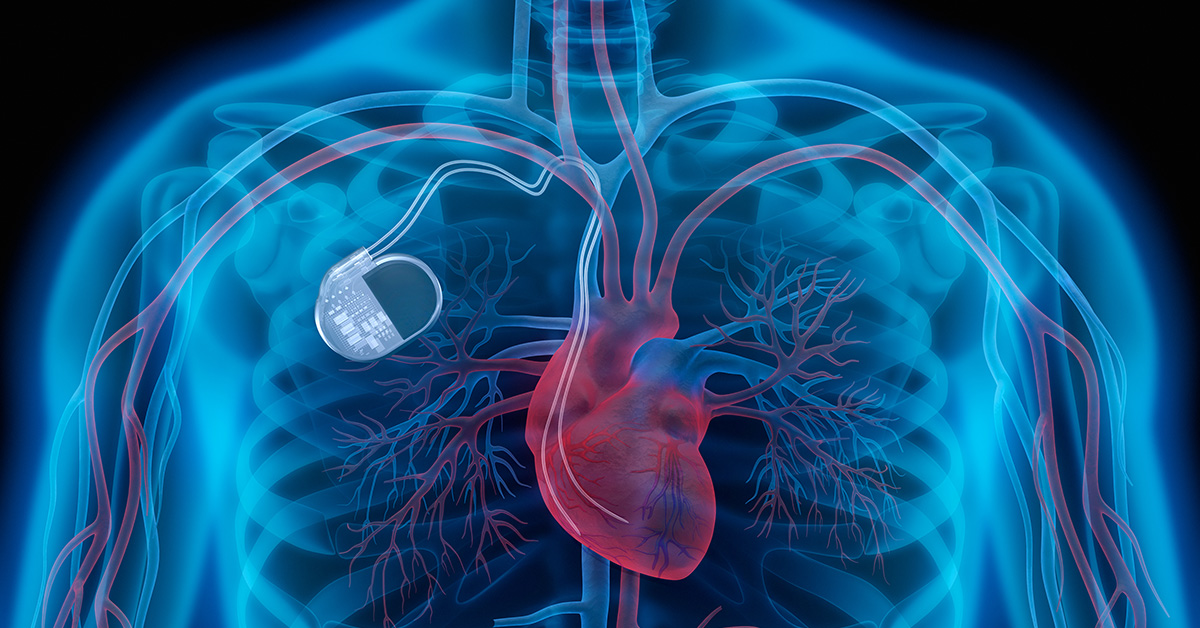
Cardiac Resynchronization Therapy (CRT) – Advanced Heart Failure Treatment
Cardiac Resynchronization Therapy (CRT) is an advanced treatment designed to improve the heart's efficiency in patients suffering from severe heart failure. This therapy uses a specialized device (similar to a pacemaker) to coordinate the contractions of the heart's ventricles, helping the heart pump blood more effectively.
CRT is highly recommended for patients whose heart chambers are not beating in sync, a condition often seen in advanced heart disease.
Why Choose CRT for Heart Failure?
Heart failure can significantly reduce your quality of life. CRT offers a life-changing solution by:
- Improving heart rhythm and coordination
- Reducing symptoms like breathlessness and fatigue
- Enhancing overall heart function
- Lowering hospitalization rates
- Increasing survival rates
An experienced heartcare surgeon plays a crucial role in evaluating your condition and ensuring successful CRT implantation.
Who Needs Cardiac Resynchronization Therapy?
CRT is recommended for patients who:
- Have moderate to severe heart failure
- Experience symptoms despite medication
- Have a reduced ejection fraction (≤35%)
- Show abnormal electrical activity in the heart (e.g., bundle branch block)
A skilled heart specialist carefully assesses each patient before recommending this therapy.
Types of CRT Devices
- CRT-P (Pacemaker): Helps coordinate heartbeats for better pumping efficiency.
- CRT-D (Defibrillator): Includes a defibrillator that can prevent sudden cardiac arrest by delivering shocks if needed.
Your heartcare surgeon will decide the most suitable device based on your condition.
Procedure: How CRT is Implanted
CRT implantation is a minimally invasive procedure performed under local anesthesia:
- Small incision is made near the chest
- Leads (wires) are guided through veins into the heart
- Device is implanted under the skin
- Leads are connected to synchronize heartbeats
The procedure usually takes a few hours, and patients can return home within a day or two.
Benefits of CRT Treatment
- Improved heart efficiency
- Better exercise tolerance
- Reduced swelling and fatigue
- Enhanced quality of life
- Fewer hospital admissions
With expert care from a qualified heartcare surgeon, CRT offers long-term relief and better heart health.
Risks and Complications
Although CRT is generally safe, possible risks include:
- Infection at the implant site
- Bleeding or swelling
- Lead displacement
- Device malfunction (rare)
Choosing an experienced surgeon significantly reduces these risks.
Recovery After CRT Implantation
- Hospital stay: 1–2 days
- Resume daily activities in a week
- Avoid heavy lifting for a few weeks
- Regular follow-ups for device monitoring
Patients often notice symptom improvement within weeks.
Why Choose Our Heartcare Surgeon for CRT?
- Extensive experience in advanced cardiac procedures
- Personalized treatment planning
- State-of-the-art technology
- High success rates
- Comprehensive post-procedure care
We are committed to providing safe, effective, and patient-focused cardiac care.