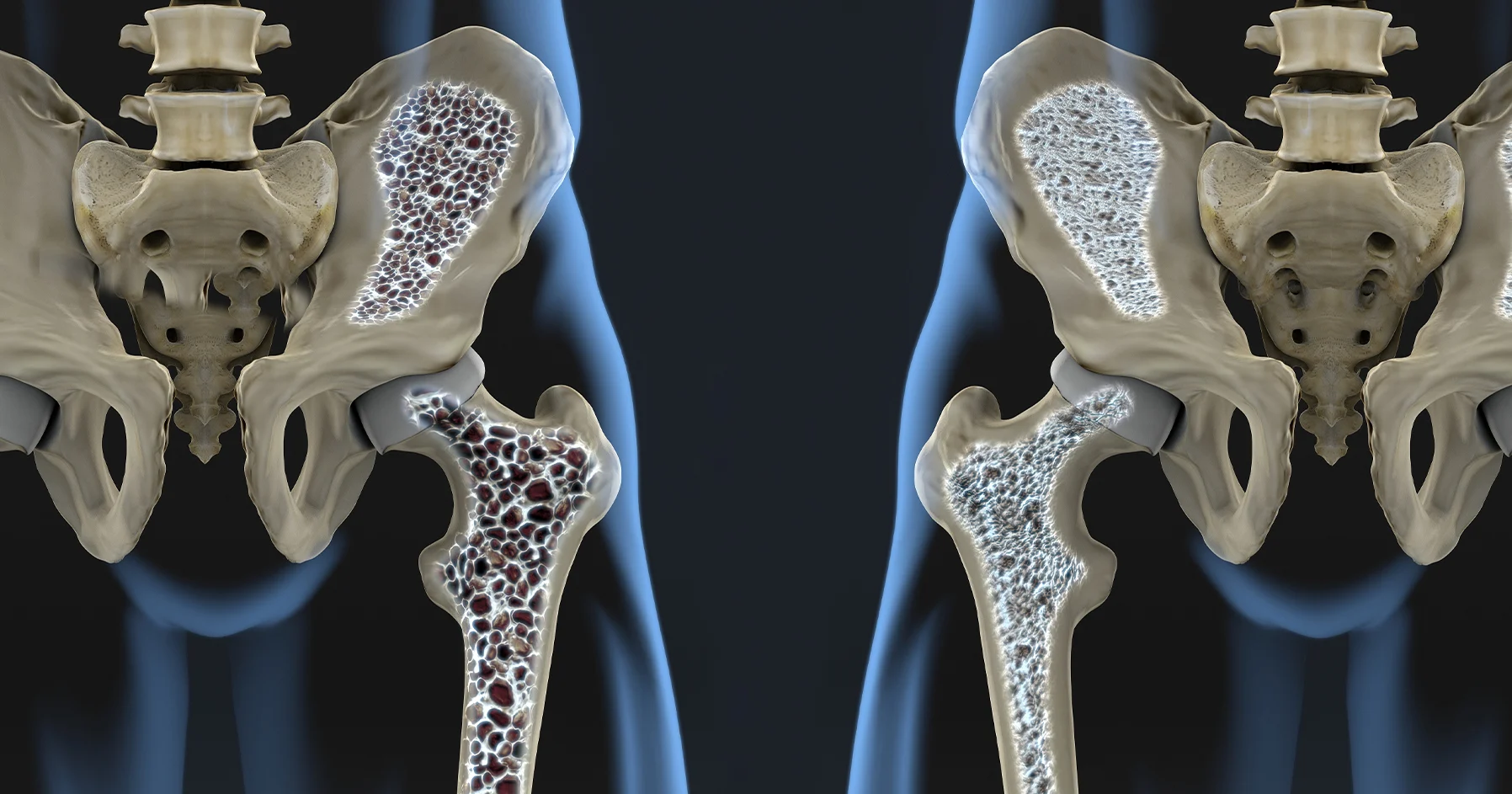
Osteoporosis – Causes, Symptoms & Advanced Treatment
Osteoporosis is a condition in which bones become weak, brittle, and more prone to fractures. It occurs when bone density decreases and the body loses too much bone or makes too little.
Often called a “silent disease,” osteoporosis may not show symptoms until a fracture occurs, commonly in the hip, spine, or wrist.
Why is Osteoporosis a Serious Concern?
Osteoporosis can significantly affect quality of life, especially in older adults. Even a minor fall or stress can lead to fractures.
Common Risks Include:
- Bone fractures
- Chronic pain
- Loss of mobility
- Reduced independence
Early diagnosis and treatment are key to preventing complications.
Causes of Osteoporosis
Several factors contribute to bone loss:
- Aging
- Hormonal changes (especially in women after menopause)
- Calcium and Vitamin D deficiency
- Sedentary lifestyle
- Smoking and excessive alcohol use
- Certain medications (like steroids)
Symptoms of Osteoporosis
In early stages, osteoporosis may not show symptoms. As it progresses, you may notice:
- Back pain (due to vertebral fractures)
- Loss of height over time
- Stooped posture
- Frequent bone fractures
- Weak and fragile bones
Who is at Risk?
You may be at higher risk if you:
- Are over 50 years of age
- Are a postmenopausal woman
- Have a family history of osteoporosis
- Have low body weight
- Have poor nutrition
- Lead a sedentary lifestyle
Diagnosis of Osteoporosis
Doctors use several methods to diagnose osteoporosis:
- Bone Mineral Density (BMD) test (DEXA scan)
- Blood tests to check calcium and vitamin levels
- Medical history and physical examination
Early screening helps in effective management.
Treatment Options for Osteoporosis
Treatment focuses on strengthening bones and preventing fractures:
1. Medications
- Bisphosphonates
- Hormone-related therapy
- Bone-building medications
2. Calcium & Vitamin D Supplements
Essential for maintaining bone strength.
3. Lifestyle Changes
- Regular weight-bearing exercise
- Balanced diet
- Avoid smoking and alcohol
4. Fall Prevention
- Home safety measures
- Vision correction
- Balance training
Benefits of Early Treatment
- Reduced risk of fractures
- Improved bone density
- Better mobility and independence
- Enhanced quality of life
Prevention Tips for Strong Bones
- Eat calcium-rich foods (milk, green vegetables)
- Get enough Vitamin D (sunlight exposure)
- Exercise regularly (walking, strength training)
- Maintain a healthy weight
- Avoid smoking and excessive alcohol