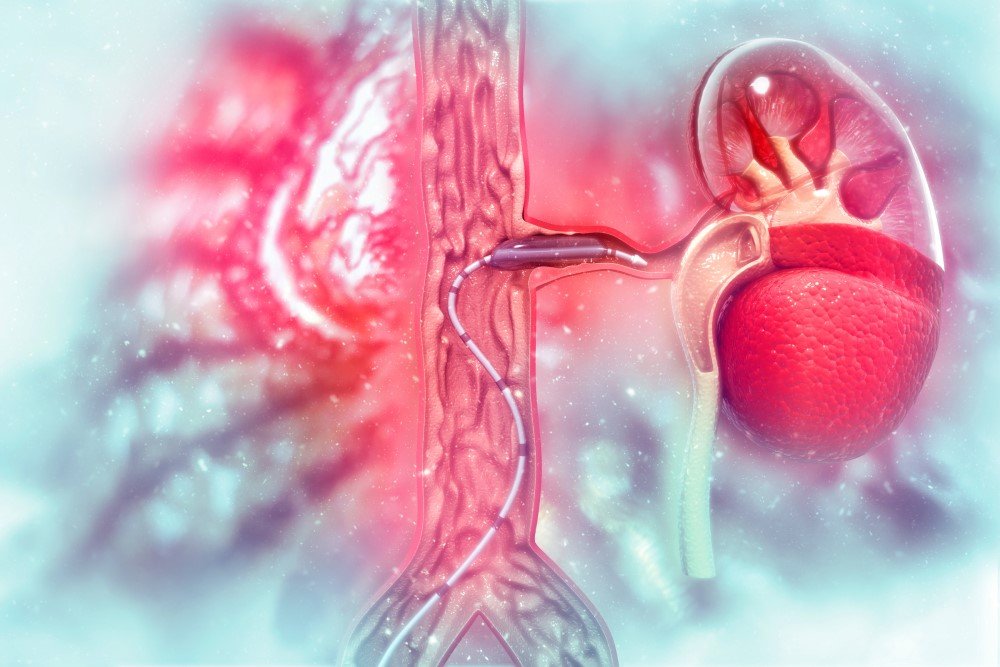
Peripheral Angioplasty (Renal /Aorta/ Other)
Angioplasty is a minimally invasive procedure used to open narrowed or blocked blood vessels. When the blood vessels supplying the kidneys (renal arteries) or limbs (peripheral arteries) are narrowed due to plaque or other conditions, angioplasty can restore blood flow, reduce symptoms, and prevent serious complications.
Understanding Renal and Peripheral Arteries
Renal arteries
- Supply blood to the kidneys
- Narrowing (renal artery stenosis) can lead to high blood pressure and kidney damage
Peripheral arteries
- Supply blood to the arms, legs, and other organs
- Narrowing (peripheral artery disease or PAD) can cause pain, poor wound healing, and risk of limb damage
Why Is Angioplasty Needed?
Angioplasty is usually performed when narrowed arteries cause symptoms or health risks:
Renal Artery Narrowing
- Resistant or difficult-to-control high blood pressure
- Reduced kidney function or kidney failure
- Risk of cardiovascular complications
Peripheral Artery Narrowing
- Leg pain or cramps while walking (claudication)
- Non-healing wounds or ulcers on the feet or legs
- Cold or numb extremities
- Risk of limb ischemia (severe blood flow blockage)
How Does Angioplasty Work?
Angioplasty widens the narrowed artery using a balloon or stent:
- Local anesthesia is applied to the access site (usually the groin or arm)
- A catheter with a small balloon at its tip is inserted into the artery
- The catheter is guided to the narrowed part of the artery using X-ray imaging
- The balloon is inflated, compressing plaque against the artery walls to widen the vessel
- In most cases, a stent (small mesh tube) is placed to keep the artery open
- The balloon is deflated and removed
The procedure usually takes 1–2 hours, depending on the arteries treated.
Benefits of Renal and Peripheral Angioplasty
- Minimally invasive (no open surgery)
- Immediate improvement in blood flow
- Can reduce symptoms like leg pain or high blood pressure
- Shorter hospital stay and faster recovery
- Can prevent serious complications such as kidney failure or limb loss
Risks and Complications
Although generally safe, angioplasty carries some risks:
- Bleeding or bruising at the catheter insertion site
- Blood clots in the treated artery
- Artery damage or rupture
- Allergic reaction to contrast dye used during the procedure
- Infection
- Rarely, kidney damage from the contrast dye
Doctors carefully evaluate each patient to minimize risks.
Recovery After Angioplasty
- Most patients stay in the hospital 1–2 days
- Light activities can usually be resumed within a few days
- Heavy lifting or strenuous exercise may be restricted for 1–2 weeks
- Medications such as blood thinners may be prescribed
- Follow-up visits and imaging are needed to ensure the artery remains open
Long-Term Outlook
Renal and peripheral angioplasty can provide long-lasting symptom relief. Some arteries may narrow again over time, requiring repeat angioplasty or alternative treatment.
Lifestyle changes are crucial for long-term success:
- Quit smoking
- Control blood pressure, diabetes, and cholesterol
- Exercise regularly
- Maintain a healthy weight
When to Contact Your Doctor
After angioplasty, seek medical advice if you notice:
- Severe pain, swelling, or bleeding at the insertion site
- Sudden leg pain, numbness, or weakness
- Fever or signs of infection
- Worsening kidney function (for renal angioplasty)