Metabolic Disorders
Metabolic disorders are a group of conditions that affect how the body converts food into energy and essential substances needed for normal functioning. Metabolism is a complex process involving enzymes, hormones, and organs that work together to maintain balance in the body. When this process does not work properly, it can lead to metabolic disorders.
What Are Metabolic Disorders?
Metabolic disorders occur when the body has difficulty processing nutrients such as carbohydrates, proteins, or fats. This may be due to:
- Missing or defective enzymes
- Hormonal imbalances
- Problems with organs like the liver or pancreas
- Genetic (inherited) conditions
As a result, harmful substances may build up in the body, or the body may not produce enough energy to function properly.
Types of Metabolic Disorders
Metabolic disorders can be broadly classified into inherited and acquired disorders.
1. Inherited (Genetic) Metabolic Disorders
These are present from birth and are usually caused by genetic mutations passed from parents to children. They are also called inborn errors of metabolism.
Common examples include:
- Phenylketonuria (PKU) – the body cannot break down an amino acid called phenylalanine.
- Galactosemia – inability to process galactose, a sugar found in milk.
- Glycogen storage diseases – problems with storing or releasing glucose.
- Maple syrup urine disease – affects amino acid metabolism.
These conditions are often detected early through newborn screening tests.
2. Acquired Metabolic Disorders
These develop later in life due to lifestyle, illness, or hormonal problems.
Examples include:
- Diabetes mellitus – problems with insulin affecting blood sugar levels.
- Thyroid disorders – overactive or underactive thyroid affecting metabolism.
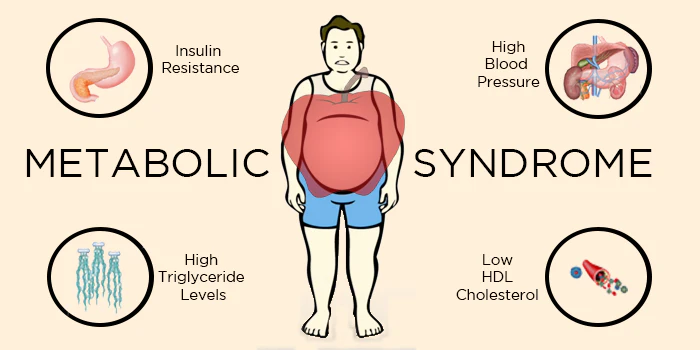
- Obesity-related metabolic syndrome
- Vitamin and mineral deficiencies
Causes of Metabolic Disorders
Metabolic disorders may be caused by:
- Genetic mutations affecting enzymes
- Hormonal imbalance, such as insulin or thyroid hormone problems
- Poor nutrition
- Chronic diseases affecting organs like the liver, kidneys, or pancreas
- Certain medications or toxins
- Lifestyle factors, including lack of physical activity
Common Signs and Symptoms
Symptoms vary widely depending on the type of metabolic disorder and the age of the patient. Some common signs include:
- Poor growth or weight gain
- Frequent fatigue or weakness
- Vomiting or feeding problems in infants
- Low or high blood sugar levels
- Developmental delays
- Recurrent infections
- Excessive thirst or urination
- Muscle pain or cramps
In severe cases, untreated metabolic disorders can lead to seizures, organ damage, or life-threatening complications.
How Are Metabolic Disorders Diagnosed?
Diagnosis involves a combination of clinical evaluation and laboratory tests:
- Medical history and physical examination – Includes family history, growth patterns, and symptoms.
- Blood and urine tests – To measure sugar levels, enzymes, hormones, and metabolic by-products.
- Newborn screening – Many inherited metabolic disorders are detected shortly after birth.
- Imaging tests – Such as ultrasound or MRI to assess organ involvement.
- Genetic testing – Used to confirm inherited metabolic conditions.
Early diagnosis is crucial to prevent long-term complications.
Treatment and Management
Treatment depends on the specific disorder and its severity. Most metabolic disorders require long-term management rather than a one-time cure.
Common treatment approaches include:
- Dietary management – Special diets to restrict or supplement certain nutrients (e.g., low-protein diet for PKU).
- Medications – To replace missing hormones or help control metabolic processes.
- Enzyme replacement therapy – For some inherited enzyme deficiencies.
- Insulin therapy – For diabetes management.
- Vitamin or mineral supplements
Regular follow-up with healthcare providers is essential to monitor progress and adjust treatment.
Lifestyle and Self-Care
For many metabolic disorders, especially acquired ones, lifestyle changes play a major role:
- Eating a balanced and nutritious diet
- Regular physical activity
- Maintaining a healthy body weight
- Taking medications as prescribed
- Regular medical check-ups and blood tests
Patient education and family involvement are key to successful long-term care.
Emotional and Social Impact
Living with a metabolic disorder can be challenging, especially for children and adolescents. Patients may feel anxious, frustrated, or different from others. Emotional support, counseling, and patient support groups can help individuals and families cope better.
When Should You See a Doctor?
Seek medical attention if you or your child experiences:
- Persistent fatigue or weakness
- Unexplained weight changes
- Frequent urination or thirst
- Developmental delays in children
- A family history of metabolic or genetic disorders
Early medical care can significantly improve outcomes.