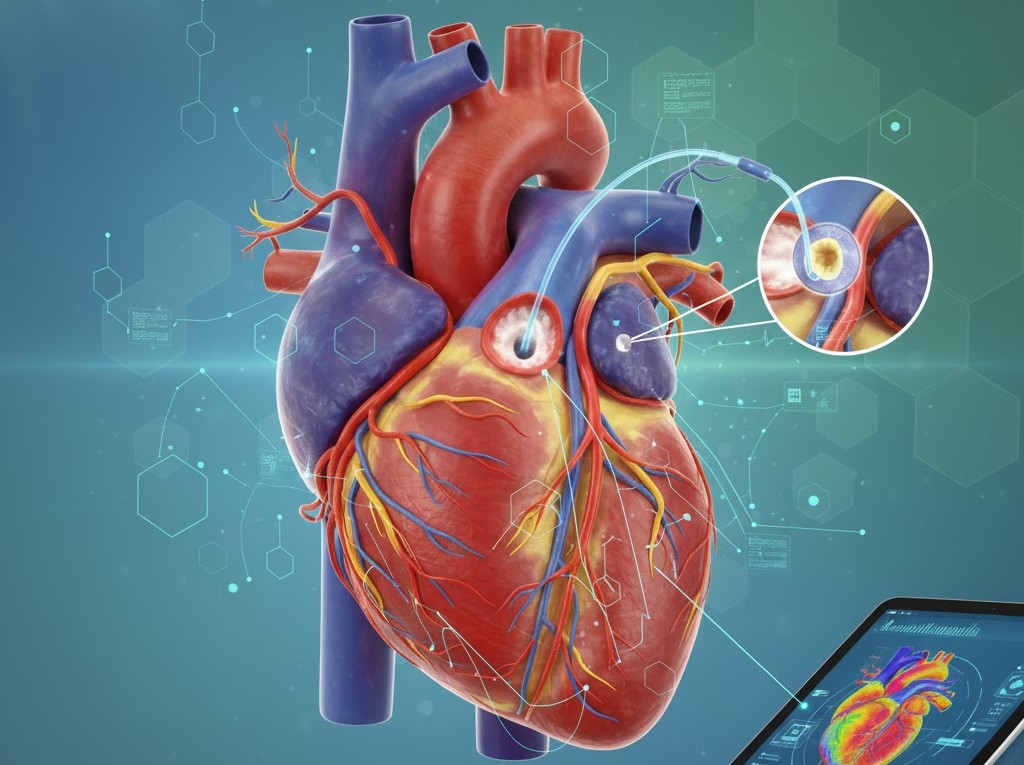
Angiogram/Cardiac Catheterization
Angiogram, also known as cardiac catheterization (cardiac cath), is an important diagnostic and sometimes therapeutic procedure used to evaluate heart and blood vessel conditions. It helps doctors identify blockages, narrowing, or abnormalities in the coronary arteries that supply blood to the heart. Angiogram plays a vital role in diagnosing heart disease early and guiding appropriate treatment.
What Is Angiogram / Cardiac Catheterization?
Angiogram is a medical imaging test that uses X-rays and a special contrast dye to visualize blood vessels. When performed to examine the heart arteries, it is called coronary Angiogram.
Cardiac catheterization involves inserting a thin, flexible tube called a catheter into a blood vessel (usually in the wrist or groin) and guiding it to the heart. The contrast dye is injected through the catheter, allowing doctors to see blood flow and detect blockages on a monitor.
Why Is Angiogram Done?
Angiogram is recommended to:
- Diagnose coronary artery disease (CAD)
- Identify blocked or narrowed heart arteries
- Evaluate chest pain (angina)
- Assess heart attack severity
- Check heart valve problems
- Assess congenital heart defects
- Guide treatments such as angioplasty or stent placement
- Evaluate heart function before major surgery
Who Needs Angiogram?
Your doctor may advise Angiogram if you have:
- Persistent chest pain
- Shortness of breath
- Abnormal ECG or stress test results
- History of heart attack
- Heart failure
- Unexplained fatigue with suspected heart disease
Types of Angiogram
- Coronary Angiogram – heart arteries
- Peripheral Angiogram – limb blood vessels
- Cerebral Angiogram – brain vessels
- Renal Angiogram – kidney arteries
This article focuses mainly on cardiac Angiogram.
How to Prepare for Angiogram
Before the procedure:
- Inform your doctor about allergies, especially to contrast dye
- Share details of medications (diabetes drugs, blood thinners)
- Blood tests and ECG may be done
- Fasting for 6–8 hours is usually required
- Consent is taken after explaining risks and benefits
How Is Angiogram Performed?
During the Procedure
- Performed in a specialized cath lab
- Local anesthesia is given at the insertion site
- Catheter is inserted through the radial artery (wrist) or femoral artery (groin)
- Catheter is guided to the heart
- Contrast dye is injected
- X-ray images show blood flow and blockages
- The procedure usually takes 30–60 minutes.
Does Angiogram Cause Pain?
Angiogram is generally painless. You may feel:
- A mild prick at injection site
- Warm sensation when dye is injected
- Slight pressure during catheter movement
What Happens After Angiogram?
- Catheter is removed
- Pressure bandage applied
- Monitoring for a few hours
- Same-day discharge in many cases
- Overnight stay may be advised in some patients
Recovery After Angiogram
Mild soreness at puncture site
- Avoid heavy activity for 24–48 hours
- Drink plenty of fluids to flush out dye
- Resume normal activities as advised by doctor
Most patients recover quickly.
Angiogram Results and Next Steps
Based on Angiogram findings, your doctor may recommend:
- Medications only
- Angioplasty and stent placement
- Coronary artery bypass surgery (CABG)
- Lifestyle modifications
Angiogram helps plan the most appropriate treatment.
Benefits of Angiogram
- Accurate diagnosis of heart disease
- Early detection of blockages
- Guides life-saving treatments
- Minimally invasive
- High diagnostic accuracy
Risks and Complications
Angiogram is very safe, but rare risks include:
- Bleeding or bruising at insertion site
- Allergic reaction to dye
- Kidney function changes (temporary)
- Irregular heart rhythm
- Infection (very rare)
Serious complications are uncommon, especially in experienced centers.
Angiogram vs CT Coronary Angiogram
| Feature | Conventional Angiogram | CT Angiogram |
|---|---|---|
| Invasiveness | Invasive | Non-invasive |
| Accuracy | Gold standard | Screening tool |
| Treatment possible | Yes (stent) | No |
| Radiation | Moderate | Moderate |
When to Seek Medical Attention After Angiogram
Contact your doctor if you experience:
- Severe pain or swelling at puncture site
- Persistent bleeding
- Fever
- Chest pain
- Shortness of breath