Obesity & Its Impact on Hormonal Health: A Complete Guide
Obesity is more than just excess body weight—it is a complex health condition that significantly affects the body's hormonal balance. In recent years, rising obesity rates have become a major concern worldwide, especially in India. Hormones regulate essential body functions such as metabolism, appetite, mood, and reproduction. When obesity disrupts these hormones, it can lead to serious health complications.
Understanding Hormonal Health
Hormones are chemical messengers produced by glands in the endocrine system. They control various processes such as:
- Metabolism
- Hunger and satiety
- Blood sugar levels
- Reproductive health
- Sleep cycles
When hormone levels become imbalanced, it can affect overall well-being.
How Obesity Affects Hormones
-
Insulin Resistance
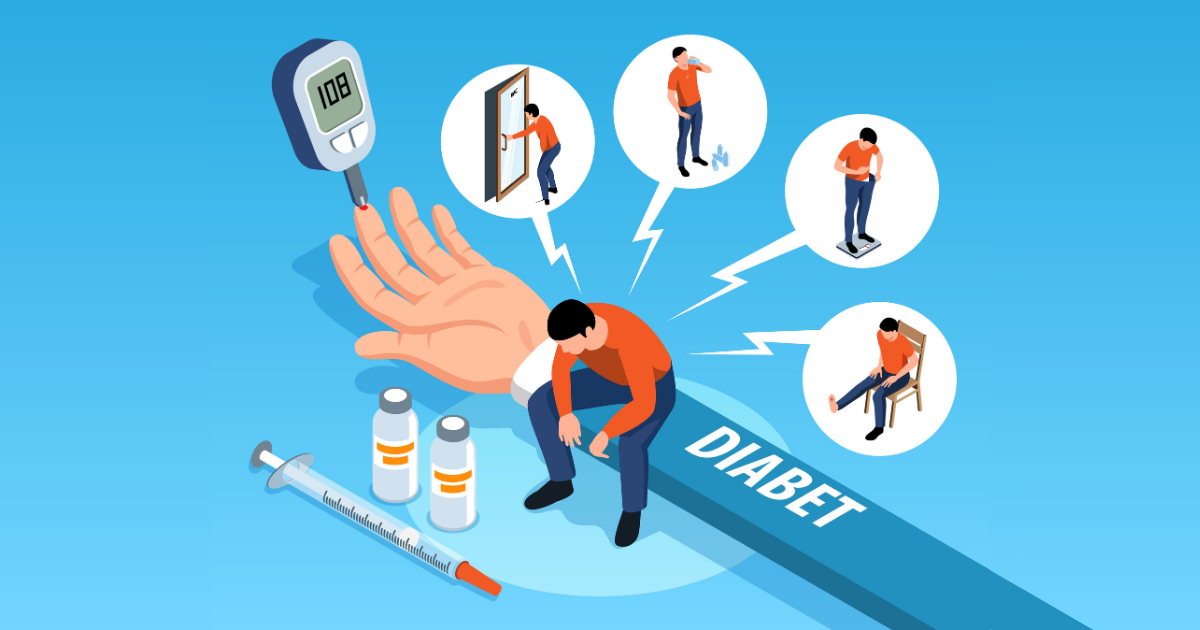
One of the most common effects of obesity is insulin resistance. Excess fat, especially around the abdomen, reduces the body's ability to respond to insulin effectively. This leads to high blood sugar levels and increases the risk of type 2 diabetes.
-
Leptin Resistance
Leptin is known as the "satiety hormone" that tells your brain when you are full. In obese individuals, leptin levels are high, but the body becomes resistant to its signals. This results in overeating and further weight gain.
-
Imbalance in Sex Hormones
Obesity can disrupt reproductive hormones such as estrogen and testosterone:
- In women: It can lead to irregular periods, infertility, and conditions like PCOS.
- In men: It may cause reduced testosterone levels, leading to low energy, decreased muscle mass, and reduced libido.
-
Cortisol and Stress Hormone
Obesity is often associated with elevated cortisol levels (stress hormone). Chronic stress and high cortisol can promote fat storage, particularly in the abdominal area, creating a vicious cycle.
-
Thyroid Function Disruption
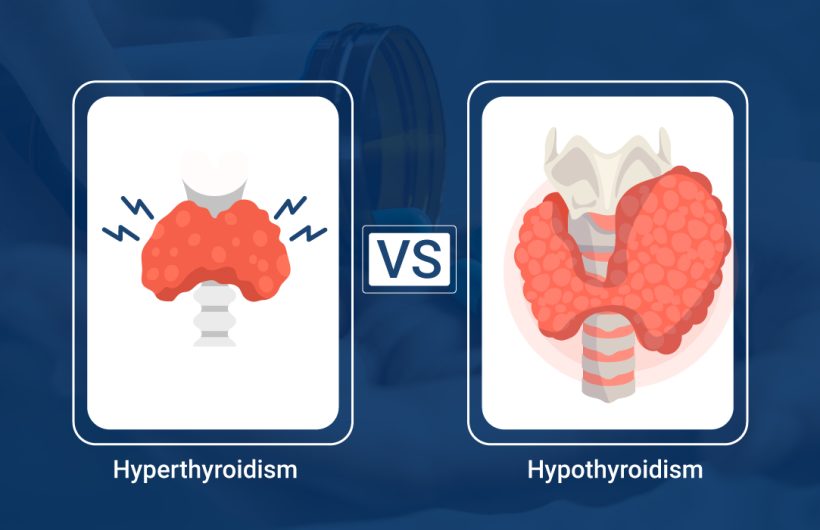
The thyroid gland controls metabolism. Obesity may interfere with thyroid hormone production, slowing down metabolism and making weight loss more difficult.
Health Risks Linked to Hormonal Imbalance Due to Obesity
- Type 2 Diabetes
- Heart Disease
- Infertility
- Polycystic Ovary Syndrome (PCOS)
- Sleep Apnea
- Metabolic Syndrome
Signs Your Hormones May Be Affected
- Unexplained weight gain
- Fatigue and low energy
- Irregular menstrual cycles
- Mood swings or depression
- Difficulty losing weight
How to Improve Hormonal Health
-
Maintain a Balanced Diet
Focus on whole foods, high fiber, lean proteins, and healthy fats. Avoid processed and sugary foods.
-
Regular Physical Activity
Engage in at least 30–45 minutes of exercise daily, including cardio and strength training.
-
Get Quality Sleep
Aim for 7–8 hours of sleep each night to regulate hormones like cortisol and insulin.
-
Manage Stress
Practice yoga, meditation, or deep breathing exercises to keep cortisol levels in check.
-
Seek Medical Advice
Consult a healthcare professional for proper diagnosis and treatment if you suspect hormonal imbalance.
Conclusion
Obesity and hormonal health are closely interconnected. Excess body fat can disrupt critical hormones, leading to various health issues. However, with the right lifestyle changes, including a balanced diet, regular exercise, and stress management, it is possible to restore hormonal balance and improve overall health.