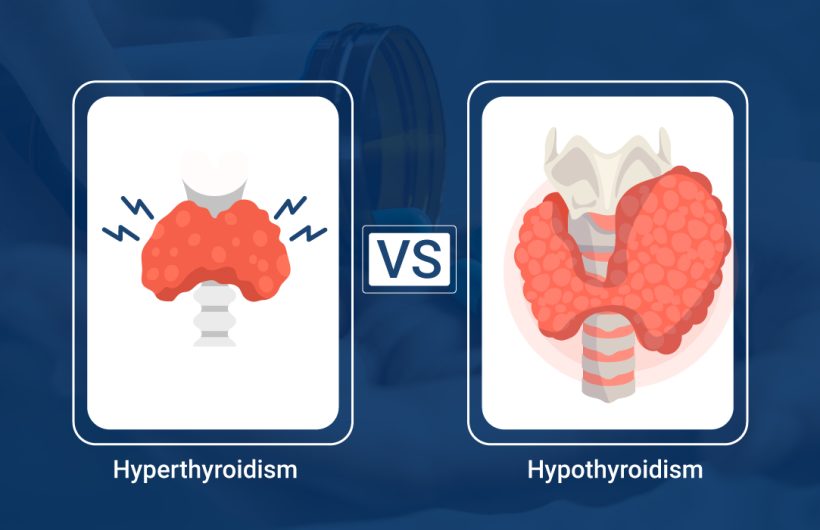
Hypothyroidism vs Hyperthyroidism: Key Differences Explained
Thyroid disorders are among the most common hormonal problems affecting people today. Two major conditions—hypothyroidism and hyperthyroidism—occur when the thyroid gland does not function properly. While both involve the thyroid, they have opposite effects on the body.
What is Hypothyroidism?
Hypothyroidism occurs when the thyroid gland produces too little thyroid hormone, leading to a slowdown in body functions.
Common Causes:
- Autoimmune disease (Hashimoto's thyroiditis)
- Iodine deficiency
- Thyroid surgery or radiation
- Certain medications
Symptoms of Hypothyroidism:
- Weight gain
- Fatigue and sluggishness
- Cold intolerance
- Dry skin and hair
- Depression
- Slow heart rate
- Constipation
What is Hyperthyroidism?
Hyperthyroidism occurs when the thyroid gland produces too much thyroid hormone, speeding up body processes.
Common Causes:
- Graves' disease (autoimmune disorder)
- Thyroid nodules
- Excess iodine intake
- Thyroiditis
Symptoms of Hyperthyroidism:
- Unintentional weight loss
- Rapid heartbeat (palpitations)
- Anxiety and irritability
- Heat intolerance
- Sweating
- Tremors
- Increased appetite
- Difficulty sleeping
Key Differences Between Hypothyroidism and Hyperthyroidism
| Feature | Hypothyroidism | Hyperthyroidism |
|---|---|---|
| Hormone Levels | Low thyroid hormones | High thyroid hormones |
| Metabolism | Slowed down | Speeded up |
| Weight | Gain | Loss |
| Heart Rate | Slow | Fast |
| Energy Levels | Low (fatigue) | High (restlessness) |
| Temperature Sensitivity | Cold intolerance | Heat intolerance |
| Mood | Depression | Anxiety/irritability |
How Are Thyroid Disorders Diagnosed?
Doctors usually recommend blood tests to measure:
- TSH (Thyroid Stimulating Hormone)
- T3 (Triiodothyronine)
- T4 (Thyroxine)
Abnormal levels help determine whether the thyroid is underactive or overactive.
Treatment Options
Treatment for Hypothyroidism:
- Daily thyroid hormone replacement medication (Levothyroxine)
- Regular monitoring of hormone levels
Treatment for Hyperthyroidism:
- Anti-thyroid medications
- Radioactive iodine therapy
- Beta-blockers to control symptoms
- Surgery (in severe cases)
When to See a Doctor
You should consult a healthcare professional if you experience:
- Sudden weight changes
- Persistent fatigue or restlessness
- Irregular heartbeat
- Unexplained mood changes
Early diagnosis can prevent complications and improve quality of life.
Conclusion
Hypothyroidism and hyperthyroidism are two opposite thyroid disorders that significantly impact overall health. Understanding their symptoms and differences is crucial for early detection and proper treatment.
Maintaining a healthy lifestyle, regular check-ups, and timely medical care can help manage thyroid conditions effectively.