Early Signs of Type 2 Diabetes You Shouldn't Ignore
Type 2 diabetes is a chronic condition that affects how your body processes blood sugar (glucose). It often develops gradually, and many people ignore the early warning signs until complications arise. Recognizing these symptoms early can help you seek timely medical care and prevent serious health issues.
In this SEO-friendly blog, we'll explore the early signs of type 2 diabetes, why they occur, and when to see a doctor.
What is Type 2 Diabetes?
Type 2 diabetes occurs when the body becomes resistant to insulin or does not produce enough insulin to maintain normal blood sugar levels. This leads to elevated glucose levels in the bloodstream, which can damage various organs over time.
Why Early Detection Matters
Early diagnosis can help:
- Prevent complications such as heart disease, kidney damage, and nerve problems
- Improve quality of life
- Reduce long-term treatment costs
- Allow better control through lifestyle changes
Early Signs of Type 2 Diabetes
-
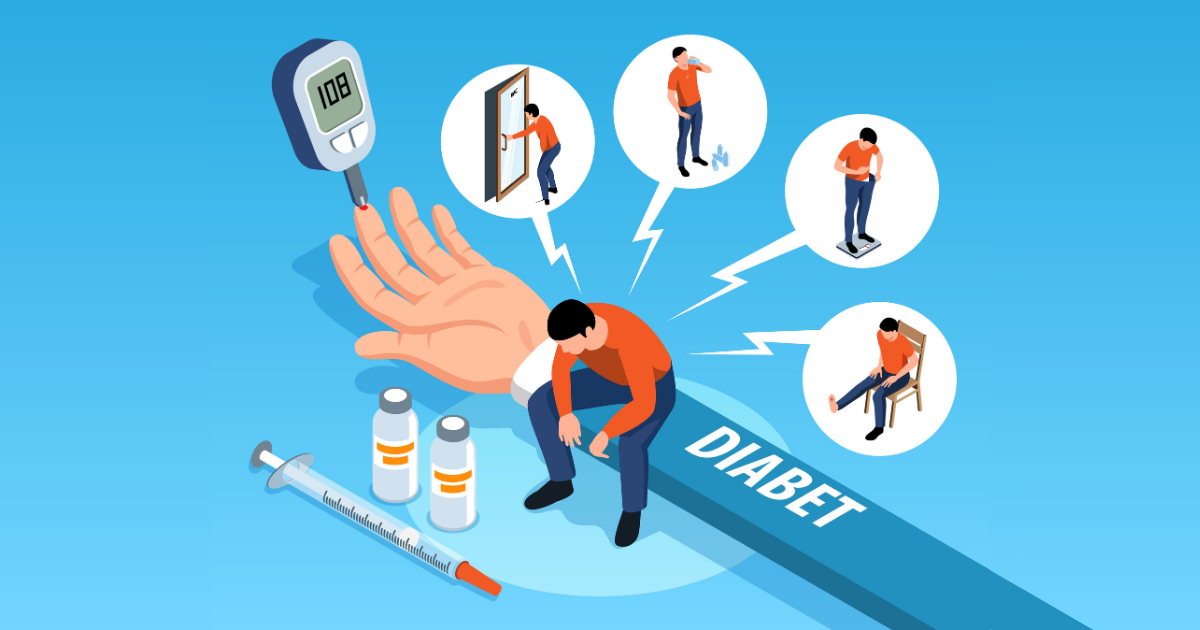
Frequent Urination (Polyuria)
If you find yourself urinating more often than usual—especially at night—it could be due to excess sugar in your blood. Your kidneys work harder to remove it, leading to increased urination.
-
Excessive Thirst (Polydipsia)
Frequent urination causes dehydration, making you feel constantly thirsty even after drinking fluids.
-
Increased Hunger (Polyphagia)
Despite eating regularly, you may feel unusually hungry. This happens because your body cannot properly use glucose for energy.
-
Unexplained Weight Loss
Sudden weight loss without changes in diet or exercise can be a warning sign. The body starts breaking down fat and muscle for energy when it cannot use glucose efficiently.
-
Fatigue and Weakness
High blood sugar levels can affect how your body uses energy, leading to constant tiredness and low energy levels.
-
Blurred Vision
Elevated glucose levels can cause swelling in the eye lens, resulting in temporary blurred vision.
-
Slow Healing of Wounds
Cuts, bruises, or infections may take longer to heal due to poor blood circulation and weakened immune response.
-
Frequent Infections
People with early diabetes are more prone to infections, especially:
- Skin infections
- Urinary tract infections
- Fungal infections
-
Tingling or Numbness in Hands and Feet
High blood sugar can damage nerves, causing a tingling or numb sensation, often referred to as diabetic neuropathy.
-
Darkened Skin Patches (Acanthosis Nigricans)
Dark, velvety patches on the neck, armpits, or groin may indicate insulin resistance—a key factor in type 2 diabetes.
Risk Factors for Type 2 Diabetes
- Obesity or overweight
- Sedentary lifestyle
- Family history of diabetes
- Poor diet (high sugar and processed foods)
- High blood pressure
- PCOS in women
When Should You See a Doctor?
Consult a healthcare professional if you notice:
- Persistent thirst and frequent urination
- Unexplained fatigue
- Sudden vision changes
- Slow-healing wounds
Early testing through blood sugar levels can confirm the diagnosis.
How to Prevent or Delay Type 2 Diabetes
-
Maintain a Healthy Weight
Losing even 5–10% of body weight can significantly reduce risk.
-
Eat a Balanced Diet
Focus on whole grains, fruits, vegetables, and lean proteins.
-
Stay Physically Active
Aim for at least 30 minutes of exercise most days of the week.
-
Limit Sugar Intake
Reduce consumption of sugary drinks and processed foods.
-
Regular Health Check-ups
Monitor blood sugar levels, especially if you are at high risk.
Conclusion
Type 2 diabetes often develops silently, but your body gives early warning signs. Ignoring these symptoms can lead to serious complications, while early detection can make a huge difference in managing the condition effectively.